
by NNPA ESSA | Feb 7, 2017 | Betsy DeVos, K12 Education, National, US Department of Education
On February 7, 2017, Betsy DeVos was confirmed as the next US Secretary of Education. The State Educational Technology Directors Association (SETDA) looks forward to continued collaboration with the US Department of Education (ED), especially ED’s Office of Education Technology in order to support digital learning leaders to help ensure quality educational opportunities for all learners.
Executive Director, Tracy Weeks, stated, “Leveraging digital tools, content, and innovative teaching and learning strategies can transform any school and help educators provide high quality, personalized instruction to every student. Interstate collaboration provides opportunities for replicating and scaling up successful programs, collaborative purchasing and dissemination of quality research. Ensuring leadership at the state level can help reduce costs, align work to state curriculum standards and support increased student achievement.”
About SETDA
Founded in 2001, the State Educational Technology Directors Association (SETDA) is the principal non-profit membership association representing U.S. state and territorial educational technology leaders. Our mission is to build and increase the capacity of state and national leaders to improve education through technology policy and practice. For more information, please visit: setda.org.

by NNPA ESSA | Jan 16, 2017 | Alaska, ESSA, Every Student Succeeds Act, Every Student Succeeds Act (ESSA), K12 Education
ESEA Federal Programs
The federal Elementary and Secondary Education Act (ESEA) emphasizes equal access to education, sets high standards for academic performance, and demands a rigorous level of accountability from schools and districts. ESEA authorizes an important group of education programs administered by the states. These programs provide supplemental support to eligible schools and districts to raise the academic achievement of struggling learners and address the complex challenges that arise among students who live with disability, mobility problems, learning difficulties, poverty, transience and the need to learn a second language.
- Title I-A Improving Education for the Disadvantaged & Struggling Students
- Title I-C Migrant Students Educational Support
- Title I-D Neglected or Delinquent Educational Support
- Title II-A Teacher and Principal Quality and Support
- Title III-A English Language Learners Support
- Title X-C Homeless Educational Support (McKinney-Vento)
View more information about the current ESEA legislation, regulations, and guidance, or see the US Department of Education website at www.ed.gov. Get more information about Alaska’s approved ESEA Flexibility Waiver.
Equitable Services to Private School Students and Teachers
ESEA programs require districts to provide equitable services from federal funds to students and teachers in private schools that choose to participate in these services.
US DEPARTMENT OF EDUCATION LINKS TO PRIVATE SCHOOL GUIDANCE AND INFORMATION
Parent Involvement and Notification
ESEA programs require regular communication with parents and strategies to increase parental engagement in supporting their children’s education.

by NNPA ESSA | Jan 6, 2017 | ESSA, Every Student Succeeds Act, Every Student Succeeds Act (ESSA), K12 Education, New York
New York State has successfully applied for a waiver from specific provisions of No Child Left Behind (also known as ESEA—the Elementary & Secondary School Act). We see this as an opportunity to align federal funds and requirements with the work we’ve already started through the Regents Reform Agenda and Race to the Top. It’s a chance to spur innovative ideas while eliminating programs and mandates that have not proven to be effective in helping our students.
Here are ten things you should know about the ESEA waiver opportunity for New York State.
Download (PDF, 67KB)
by NNPA ESSA | Dec 20, 2016 | ESSA, K12 Education, National
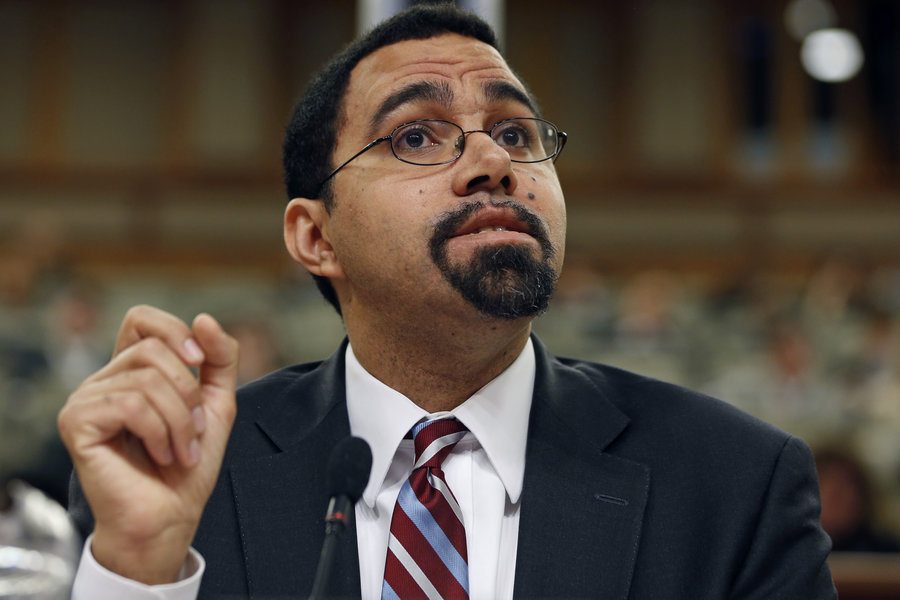
In his last major policy speech, U.S. Secretary of Education John King delivered what could be seen as a motivational speech for education advocates preparing for President-elect Donald Trump’s plans to expand school choice options for students through a $20 billion voucher program that would allow federal funds to follow students to private schools.
“For all who believe that strong, equitable public education is central to a healthy democracy and a thriving economy, now is the moment for us to set aside the policy differences that we have let divide us, and move forward together courageously to defend and extend this fundamental American institution,” King said on December 14.
King discussed progress over the last eight years, including a high school graduation rate at an all-time high of 83 percent, closing achievement gaps, and the largest and most diverse college graduation class in history. Still, he acknowledged that too many students fail to graduate from high school and those who do are frequently unprepared for the rigors of college.
“Ensuring more Americans get the knowledge and skills needed to succeed in our country matters more than ever,” King said. “It is not enough for those already prosperous to prosper. Unless we are ensuring that all Americans can meaningfully participate in our nation’s growth, our nation will not succeed. The simple fact, confirmed by the research, is that reducing income inequality positively influences economic output. When everyone has a fair chance, whole societies are healthier, better off and more productive.”
King said the Every Student Succeeds Act “rightly empowers state and district leaders to develop strategies that address their unique challenges and needs,” but he cautioned them to maintain “guardrails” for protecting students.
He spoke strongly in support of college- and career-ready standards and urged states to “fight the inevitable efforts” to water down high expectations. King stressed the need for accountability—saying, “Without accountability, standards are meaningless and equity is a charade”—and urged states to develop accountability systems that are “rich and varied” and include “measures such as chronic absenteeism, access to and success in advanced courses, or new approaches to discipline that help students improve their behavior and their academic achievement.”
Looking ahead, King discussed “growing bipartisan consensus” around increased access to preschool and free community college and other options to make high education available to more students without a mountain of debt.
King spoke passionately about equity and funding disparities that exist across the country. “Money is never the only answer, but money does matter,” King said. “It pays for higher salaries and for school counselors. Money builds science labs and repairs leaky roofs. Yet, in districts all across the country, students who need the most still get the least.”
He also encouraged schools to embrace diversity and inclusion and reject segregation. “Diverse schools are great preparation for all students,” King said. “They help more children succeed, help broaden students’ perspectives, and help prepare them to participate in a global workforce. And I am convinced that the growing conflicts in this country over race and religion and language would be profoundly reduced if our children were able to learn and play alongside classmates who were different from themselves and if they regularly encountered teachers and leaders of color in their schools.”
How many of the Obama administration’s education policies will continue into a Trump administration is an open question, but, with his passionate defense of equity and public education, King is betting that his words will remain with people even if some of his policies do not.
A transcript of King’s speech is available at
http://www.ed.gov/news/speeches/education-leadership-and-equity-look-forward.
Jason Amos is vice president of communications at the Alliance for Excellent Education.

