By SPEAKIN’ OUT NEWS
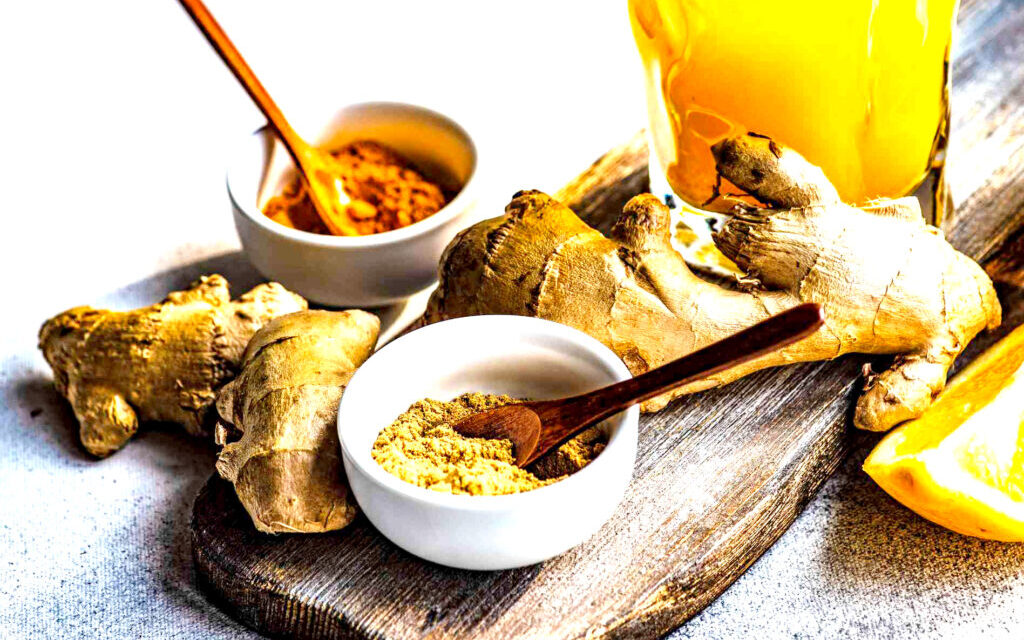
Two golden ingredients long used in traditional medicine are making a strong comeback in today’s wellness world: turmeric and ginger.
Found in kitchens across the globe, these powerful roots have been used for centuries in Ayurvedic and Chinese medicine. Now, modern research is confirming what many cultures have long believed — turmeric and ginger may offer significant anti-inflammatory and immune-supporting benefits.
Turmeric, known for its bright yellow color, contains an active compound called curcumin, which has been widely studied for its anti-inflammatory and antioxidant properties. Ginger, with its spicy, aromatic flavor, contains gingerol, a natural compound linked to digestive and immune health.
As more people focus on preventive nutrition, turmeric and ginger are showing up in teas, smoothies, juices, soups, and supplement capsules.
Potential Benefits of Turmeric and Ginger:
• Reduces Inflammation – May help support individuals dealing with joint pain or chronic inflammation.
• Supports Immune Health – Rich in antioxidants that help protect the body from oxidative stress.
• Aids Digestion – Ginger is especially known for relieving nausea, bloating, and stomach discomfort.
• Supports Heart Health – Some studies suggest turmeric may contribute to improved cardiovascular function.
• May Support Brain Health – Curcumin is being studied for its potential role in protecting cognitive function.
Health experts note that turmeric is better absorbed when paired with black pepper, which contains piperine — a compound that enhances curcumin absorption.
While both spices are generally safe when used in cooking, high-dose supplements should be discussed with a healthcare provider, especially for individuals on blood thinners or with certain medical conditions.
Though not miracle cures, turmeric and ginger represent a growing movement toward using food as medicine. In an era focused on long-term wellness, these ancient roots remain relevant in modern health conversations.