By SPEAKIN’ OUT NEWS
HUNTSVILLE, AL — As the COVID-19 virus continues to evolve, doctors are warning the public about a lesser-known symptom: “COVID tongue.” While rare, this unusual condition has been documented in some COVID-19 patients and may serve as an early sign of infection.
What Is COVID Tongue?
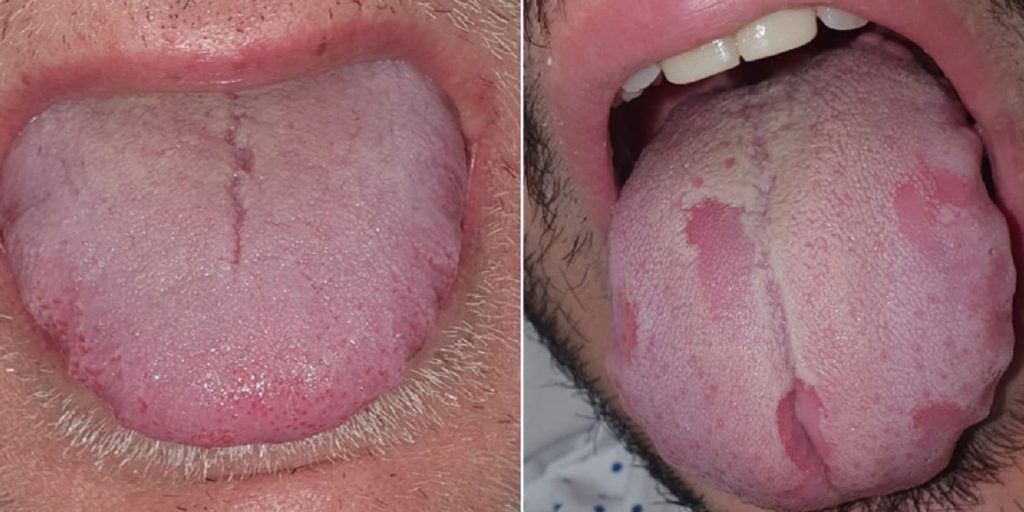
“COVID tongue” refers to inflammation and other changes to the tongue that have been reported in patients who tested positive for the virus. The symptoms include:
- Swelling and inflammation of the entire tongue or specific areas
- Changes in color, including:
- White coating or patches
- Yellowish appearance
- Redness or bright red tongue
- Purple or dark discoloration in some cases
- A thick or “furry” coating that may not go away with brushing
- Sores, ulcers, or bumps on the surface of the tongue
- Loss or distortion of taste (dysgeusia)
- Dryness or burning sensation
Dr. Tim Spector, professor of genetic epidemiology at King’s College London, estimates that fewer than 1 in 500 people with COVID-19 report developing tongue-related symptoms. Still, he stresses that these oral changes are important to monitor as potential early warning signs.
(BlackDoctor.org)
Why Does It Happen?
The exact cause of COVID tongue isn’t fully understood, but experts believe several factors may contribute:
- ACE2 Receptors: The tongue has a high concentration of ACE2 receptors — the same receptors the COVID-19 virus uses to enter cells. This may explain inflammation and surface changes.
- Immune Response: The body’s immune reaction may trigger inflammation in the mouth and tongue.
- Secondary Infections: Some patients develop oral thrush or other fungal infections triggered by the virus.
- Dry Mouth: Dehydration and reduced saliva production during COVID-19 infection may worsen symptoms.
(Healthline)
How to Manage It
Most cases of COVID tongue improve as the patient recovers. To help relieve discomfort, doctors recommend:
- Practicing good oral hygiene
- Staying hydrated
- Avoiding spicy or irritating foods
- Using saltwater rinses or doctor-approved mouthwashes
- Seeking medical care if severe sores, bleeding, or prolonged swelling occur
Prevention First
The best way to avoid COVID-19, including the tongue variant, is through prevention: vaccinations, wearing masks in high-risk settings, practicing good hygiene, and staying up-to-date on current variants.