SPEAKIN’ OUT NEWS
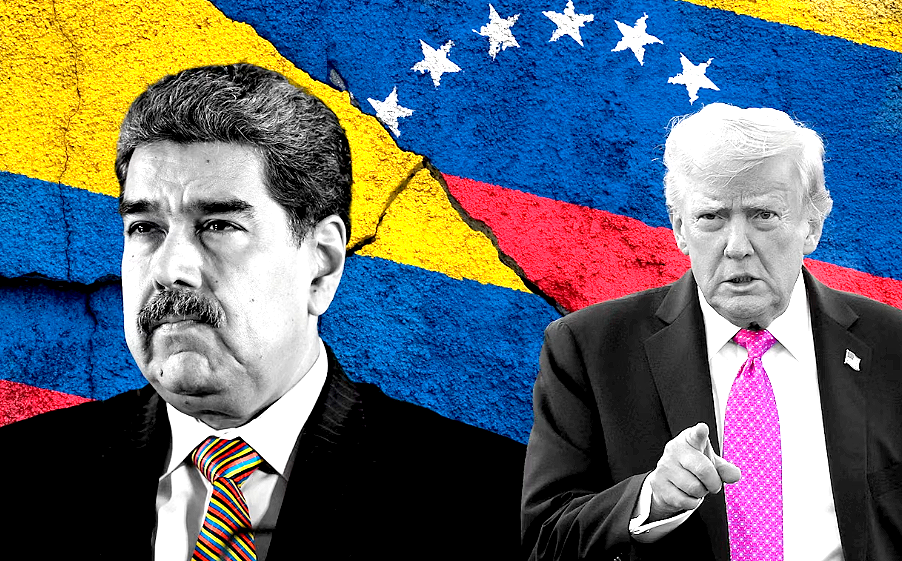
WASHINGTON — President Donald Trump’s decision to launch a military strike against Venezuela and seize President Nicolás Maduro while Congress was on winter recess has raised alarm not only because of what was done—but when it was done.
Legal scholars and historians note that acting during a congressional recess is not accidental. It is a well-worn executive strategy that minimizes immediate oversight, delays accountability, and shifts the balance of power away from Congress at the most critical moment: before U.S. military force is used.
Why do presidents act during recess
When Congress is out of session, it cannot immediately:
•Hold emergency hearings
•Debate or vote on authorization for military force
•Impose funding limits or conditions
•Issue subpoenas or formal rebukes
Under the War Powers Resolution of 1973, presidents are required to notify Congress within 48 hours of introducing U.S. forces into hostilities. But acting while lawmakers are dispersed across the country effectively delays meaningful oversight, even if notification technically occurs.
This timing also allows the White House to establish “facts on the ground”—troops deployed, leaders captured, assets seized—making it politically and practically harder for Congress to reverse course once it returns.
In Trump’s case, Congress was not briefed beforehand, and lawmakers learned of the strike only after it was already underway.
A familiar tactic with a long history
Trump’s move places him in a long line of presidents who have used military force without prior congressional authorization—but with notable differences in scope and rhetoric.
Richard Nixon – Cambodia (1969–1970)
Nixon secretly expanded the Vietnam War into Cambodia without notifying Congress. The deception and lack of authorization later sparked widespread outrage and directly led to the passage of the War Powers Resolution to curb executive overreach.
Ronald Reagan – Grenada (1983)
Ronald Reagan’s 1983 invasion of Grenada removed a Marxist-aligned government and protected U.S. citizens, achieving quick military success with minimal American casualties. However, the action occurred without prior congressional authorization, drew international criticism, and reinforced a growing precedent of presidents using military force without Congress’s explicit approval. Congress was informed after the operation began and later funded the action, but again never formally authorized it.
Bill Clinton – Kosovo (1999)
Bill Clinton’s Kosovo intervention halted ethnic cleansing and forced Serbian leader Slobodan Milošević to withdraw, achieving relative regional stability without U.S. ground troops. However, it proceeded without formal congressional authorization, resulting in civilian casualties and reinforcing a precedent of presidents using military force while bypassing Congress. The House of Representatives ultimately rejected approval, yet the NATO-led campaign continued anyway.
Barack Obama – Libya (2011)
Obama launched airstrikes without congressional authorization, later arguing that U.S. involvement did not rise to the level of “hostilities” under the War Powers Act. Congress never approved the intervention, which drew bipartisan criticism. Obama’s Libya intervention likely prevented an immediate massacre in Benghazi and removed longtime dictator Muammar Gaddafi, but it failed to secure lasting stability. The lack of a postwar plan led to civil war, regional destabilization, and weakened congressional oversight of the war, with long-term costs outweighing short-term humanitarian gains.
Donald Trump – Venezuela (2026)
Trump not only acted without authorization or advance notice but publicly declared that the United States would “run” Venezuela and take control of its oil industry—language that goes beyond prior justifications of limited strikes, humanitarian missions, or multinational obligations.
What makes Venezuela different
While past presidents have stretched or ignored congressional war powers, Trump’s Venezuela action stands out in three critical ways:
1. The capture of a sitting foreign president, rather than limited military strikes
2. An explicit declaration of U.S. control and governance, not a temporary force
3. No attempt to seek retroactive partnership with Congress
Legal experts argue that these elements elevate the action from contested military intervention to a potential constitutional crisis, particularly given the absence of congressional debate or authorization.
Why timing matters now
By acting during recess, Trump avoided an immediate authorization vote, public intelligence briefings, and recorded positions from lawmakers—many of whom now face the political and moral dilemma of responding after the fact.
Once Congress reconvenes, its choices are constrained: challenge the president and risk appearing divided during an ongoing operation or acquiesce by funding or silence.
The bigger picture
Presidents of both parties have repeatedly tested the limits of executive power in matters of war. But Trump’s decision to strike Venezuela during Congress’s absence—and to frame the action as ongoing U.S. control—has intensified concerns about the erosion of constitutional checks and balances.
As lawmakers debate legality, accountability, and potential consequences, one reality is clear: the timing of the strike was strategic, not incidental.
And for Congress—and the American public—the consequences of that timing may prove just as significant as the strike itself.