By Victoria Mejicanos
AFRO Staff Writer
vmejicanos@afro.com
What is PCOS?
For many women, unexplained weight gain, irregular periods or fertility issues are often brushed off, but for many, these are signs of polycystic ovary syndrome (PCOS).
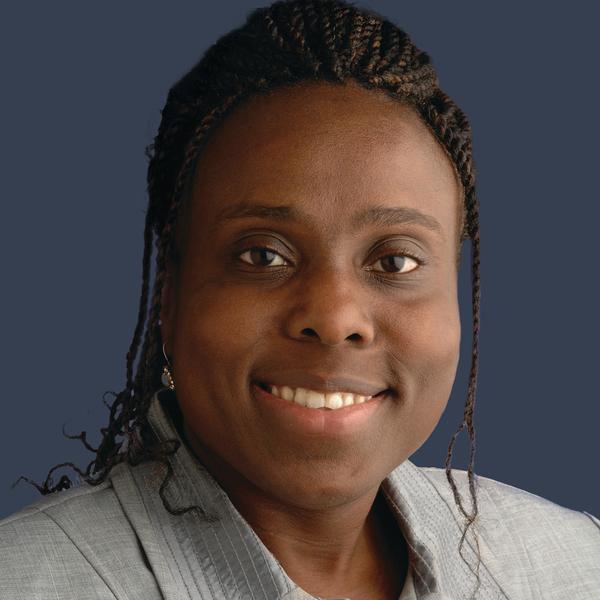
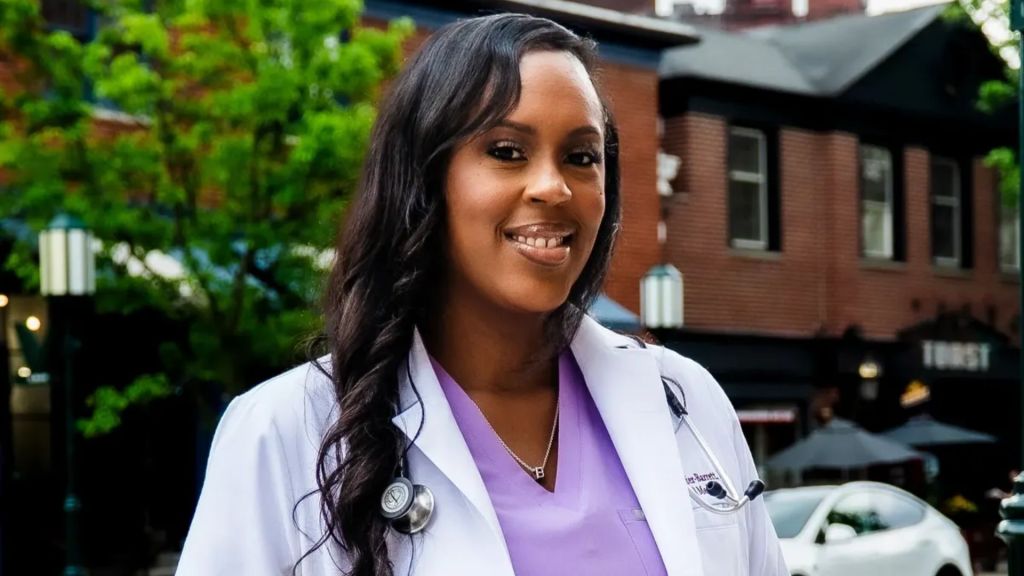
The AFRO recently spoke with doctors Nicola London and Bryanne Standifer-Barrett about what the condition is, how it impacts Black women and why it’s important to raise awareness.
Although symptoms vary, it is a common hormonal problem among women. According to the World Health Organization “The condition affects an estimated 6 to 13 percent of women of reproductive age, and up to 70 percent of cases are undiagnosed.” Additionally, the prevalence of the syndrome can be higher among people of color.
What happens if left untreated?
If left untreated, according to Dr. Nicola London, an OB-GYN at MedStar Health, PCOS can cause other health problems such as an increased risk of diabetes, infertility and development of uterine or endometrial cancer. She added that with diabetes and insulin resistance comes increased risk of heart disease and stroke.
Research highlighted by the Endocrine Society echoes comments made by London. It stated that “Black women with PCOS have higher risk factors for heart disease, diabetes and stroke compared with White women.” The research highlighted that Black women with PCOS have higher insulin levels and are more likely to be insulin resistant which is a risk factor for diabetes.
Dr. Bryanne Standifer-Barrett, a board certified internal medicine physician explained that PCOS is more complex than irregular periods and inflamed ovaries. “It’s a connection between reproductive changes and metabolic changes, and it’s the perfect condition that shows you how everything interplays with each other.” said Standifer-Barrett.
She also explained that although cystic is in the name, there aren’t really cysts on the ovaries, but rather an overproduction of follicles within the ovaries that produce too much androgen.
How can I manage symptoms?
Although the exact cause of PCOS is unknown and there is no clear cure, a variety of treatment options are available for women who want to manage their symptoms.
Both London and Standifer-Barrett prescribe various hormonal birth controls, such as the pill. Other medications can be given to manage insulin resistance and weight gain such as Metformin and GLP-1 drugs like Ozempic and Wegovy. Additionally, there are also medications like Spironolactone to help with excess hair growth and acne that sometimes appears with PCOS.
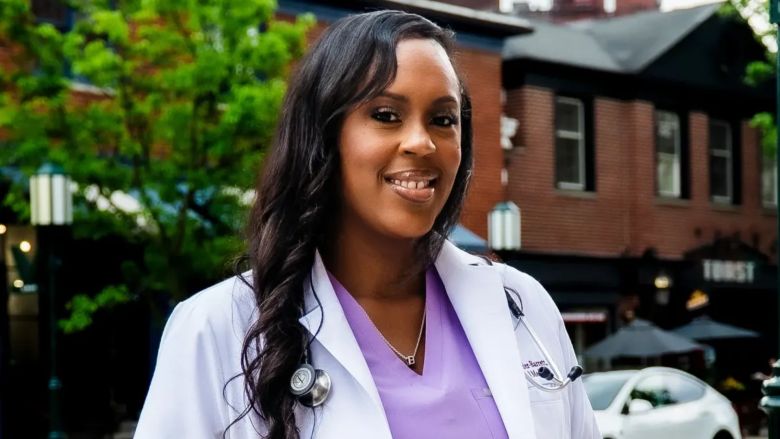
Standifer-Barrett is a medical advisor for Black Girl Vitamins, a Black owned supplement company that not only provides vitamins, but also hosts monthly webinars to educate women about various health issues. “We’re helping women advocate for themselves through empowering them with knowledge, and we’re able to reach so many people through this because we also know sometimes it might be hard to get into your doctor,” said Standifer-Barrett.
She mentioned the role that Black Girl Vitamins plays for care of her patients who prefer not to take certain medications or cannot tolerate them. “I just always tell people, just make sure your doctor knows what you’re taking, so that you’re not overtaking or that there are no medication interactions happening,” said Standifer-Barrett.
Black Girl Vitamins has a PCOS relief supplement that helps women with excessive hair growth and overall helps them feel better. They also sell an inositol supplement. According to Standifer-Barrett, studies suggest that inositol helps fight insulin resistance.
Given that many cases of PCOS go undiagnosed, and Black women’s additional health risks, Standifer-Barrett noted the importance of knowledge.
“You advocate for yourself through knowledge,” said Standifer-Barrett. “I think knowing what the condition is, knowing that it’s ok to ask questions, but more importantly, if you’re in a situation and you can’t ask your doctor a question, knowing it’s also ok to change doctors if you’re not getting what you need.”
Standifer-Barrett spoke on the stigma relating to women’s health and why she decided to work with Black Girl Vitamins and provide a safe space for women.
“I think the stigma will always be there,” she said. “So no matter what, just as a woman in general, Black, White, otherwise, as a woman, there’s a lot of stigma, and I think it’s so important to have a safe space where you can just be, instead of being in survival mode all the time.”
The post What Black women should know about PCOS risks and treatment appeared first on AFRO American Newspapers.