By SPEAKIN’ OUT NEWS
If you’ve been feeling exhausted, mentally foggy, or experiencing tingling in your hands and feet, you may have searched online for answers — and landed on vitamin B12 deficiency. Somewhere in that search, the word cancer likely appeared, triggering understandable fear.
So let’s be clear: Can vitamin B12 deficiency be a sign of cancer? In rare cases, yes. But for most people, the cause is far more common and far less alarming.
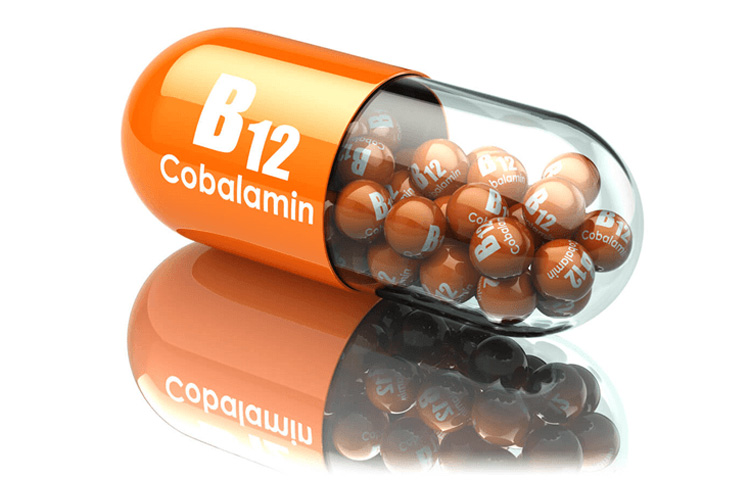
Vitamin B12 plays a critical role in nerve health, red blood cell production, and DNA formation. When levels drop, symptoms can include weakness, memory issues, numbness, vision problems, and difficulty walking or speaking. Deficiency often develops slowly and is frequently linked to diet, absorption issues, or medical conditions such as Crohn’s disease, celiac disease, chronic gastritis, or pernicious anemia.
According to the American Cancer Society, “Vitamin B12 is essential for DNA synthesis, and long-term deficiency may affect normal cell growth and repair,” which may help explain its association with certain cancers, including stomach and colorectal cancer (American Cancer Society). In these cases, cancer does not result from low B12 but may interfere with the body’s ability to absorb it.
The Black community faces added risk due to higher rates of digestive disorders, lower cancer screening rates, and underdiagnosis of pernicious anemia, particularly among Black women.
The Mayo Clinic advises medical evaluation if B12 deficiency occurs alongside unexplained weight loss, persistent abdominal pain, jaundice, or symptoms that do not improve with supplementation (Mayo Clinic).
The bottom line: Vitamin B12 deficiency is usually treatable and rarely a cancer diagnosis. But persistent symptoms deserve attention. Listening to your body — and seeking answers early — can make all the difference.