By SPEAKIN’ OUT NEWS
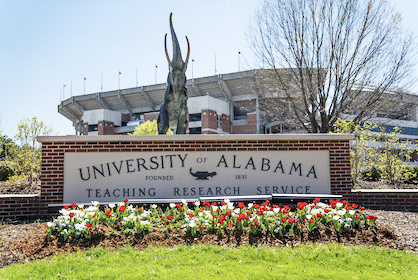
TUSCALOOSA, AL — The U.S. Department of Education’s Office for Civil Rights has launched an investigation into the University of Alabama over allegations that it offered race-based scholarships and engaged in segregationist practices—potentially violating Title VI of the Civil Rights Act.
“We believe in access and equity—but not exclusion,” said Michael Benjamin, who filed the original complaint. “Segregating programs by race, even with good intentions, is still discrimination.”
According to the complaint, the university offered scholarships and programs exclusively for Black students, including housing options and affinity spaces that excluded students of other races.
A spokesperson for the Department of Education confirmed the probe, saying, “The Office for Civil Rights is committed to ensuring equal opportunity in all federally funded institutions.”
The University of Alabama has defended its programs, stating they were designed to promote diversity, equity, and inclusion. “We stand by our efforts to create a welcoming environment for underrepresented students,” said university spokesperson Ashley Sipes.
However, legal experts warn that even well-intentioned policies can run afoul of federal law. Title VI prohibits discrimination on the basis of race, color, or national origin in any program receiving federal financial assistance.
“The Supreme Court has made it clear: race-exclusive programs are suspect under the law,” said constitutional scholar Dr. Anika Jones. “The outcome of this investigation could impact universities nationwide.”
Students are divided. “These programs made me feel seen and supported,” said sophomore Kamaria Ellis. “Without them, I might not have made it through freshman year.”
But others see the issue differently. “We can promote diversity without excluding anyone,” said business student Nolan Reeves. “There has to be a better way.”
If the investigation finds violations, the university could be required to modify or eliminate the programs—and could risk losing federal funding if it refuses to comply.