By Andrea Stevens
AFRO Staff Writer
astevens@afro.com
Juneteenth is a commemorative day that brings together African Americans across the country. It’s a story that keeps the Black community grounded and reminds many of the progress made. As the holiday approaches, historians emphasize that Juneteenth’s legacy runs deeper—and is more complex—than a single day of celebration.
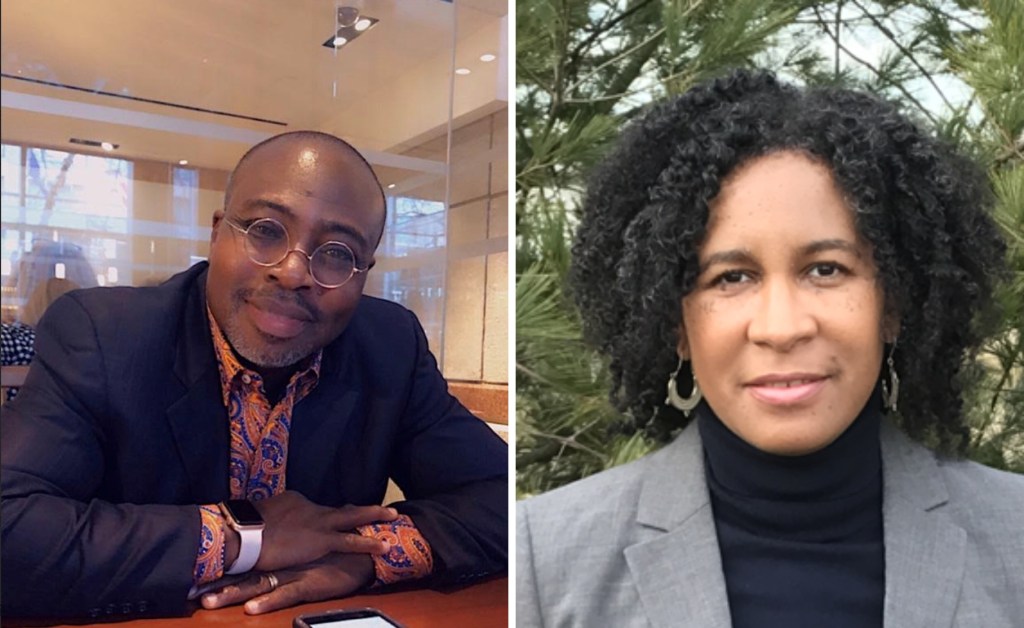
Dr. Akwasi P. Osei, professor of political science and philosophy at Delaware State University, challenges the oversimplified narrative surrounding Juneteenth’s origin.

“Usually the focus has been on the narrative that on June 19, 1865, a Union general informed Black people in Texas that they were free,” Osei said. “That’s too neat a story. The reality is that the South maintained slavery at gunpoint long after it had technically ended.”
Dr. Donna A. Patterson, professor and chair of the department of history, political science and philosophy and director of africana studies at Delaware State University, echoed the need to reframe popular understandings of the day. A Black Texan herself, Patterson is currently writing a book titled “Making Juneteenth.”
“There’s so much history leading up to that moment. Juneteenth doesn’t mark the end of slavery—it marks when the last holdouts were finally forced to acknowledge it,” Patterson said. “It’s not just about delay– it’s about resistance to Black freedom.”

While Juneteenth marks a historic turning point, scholars stress its continued relevance today, especially in how it shapes American identity, memory and the ongoing struggle for racial justice.
“People of African descent have been at the center of American history—from the beginning through the Civil War and into the present,” Osei said. “Juneteenth is a reminder of the gap between America’s promise and its reality.”
For many, the holiday is also deeply personal.
“Growing up as a Black Texan, Juneteenth was always significant. It made us think about freedom—and what it really means,” Patterson said.
Acknowledgement of the holiday, however, is far from uniform. It varies across generations and geography, shaped by local traditions, education systems and access to information.
“It depends on where people grow up and what they’re exposed to,” Patterson said. “Some regions, like southeast Texas, have always observed Juneteenth. Others are just now learning because of social media or its recognition as a federal holiday.”
Osei noted that awareness of Juneteenth isn’t necessarily tied to age.
“Age doesn’t play a part. There’s just not enough focus in schools or the media, so people didn’t know. But Black folks have always known what they fought for,” Osei said.
Even before Juneteenth became a national holiday, many communities—especially in southeast Texas—had long preserved it as a day of remembrance and celebration. Its legacy stretches far deeper than recent headlines.
As national recognition grows, both Patterson and Osei stress that observing Juneteenth should involve more than festive gatherings.
“We shouldn’t just celebrate Juneteenth,” Osei said. “It should be a commitment to understanding the truth and to making sure the promise of freedom is fulfilled.”
Patterson agrees, urging deeper engagement with the holiday’s meaning.
“Juneteenth invites us to ask not only how we celebrate, but how we reckon—with history, with freedom and with the ongoing journey toward equality in America,” Patterson said.
The post Shaping the future: Black Leadership in tech regulation appeared first on AFRO American Newspapers.