SPEAKIN’ OUT NEWS
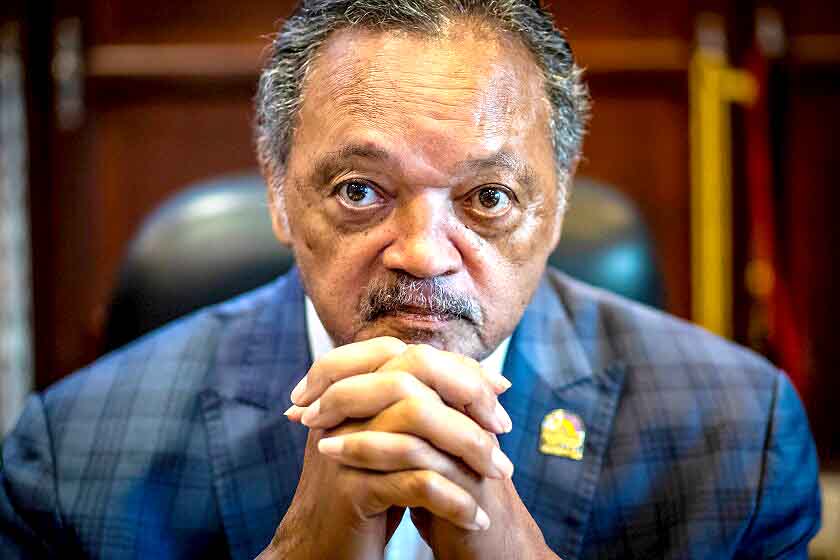
å≈struggle and the highest reaches of political power — the Rev. Jesse L. Jackson Sr., who died on February 17, 2026, at age 84 surrounded by family at his home in Chicago.
Jackson was more than a footnote in civil rights history — he was a force of nature, a minister, an activist, and one of the longest-serving leaders of the modern movement. Born in 1941 in Greenville, South Carolina, he grew up under segregation, conditions that would ignite a lifelong commitment to justice.
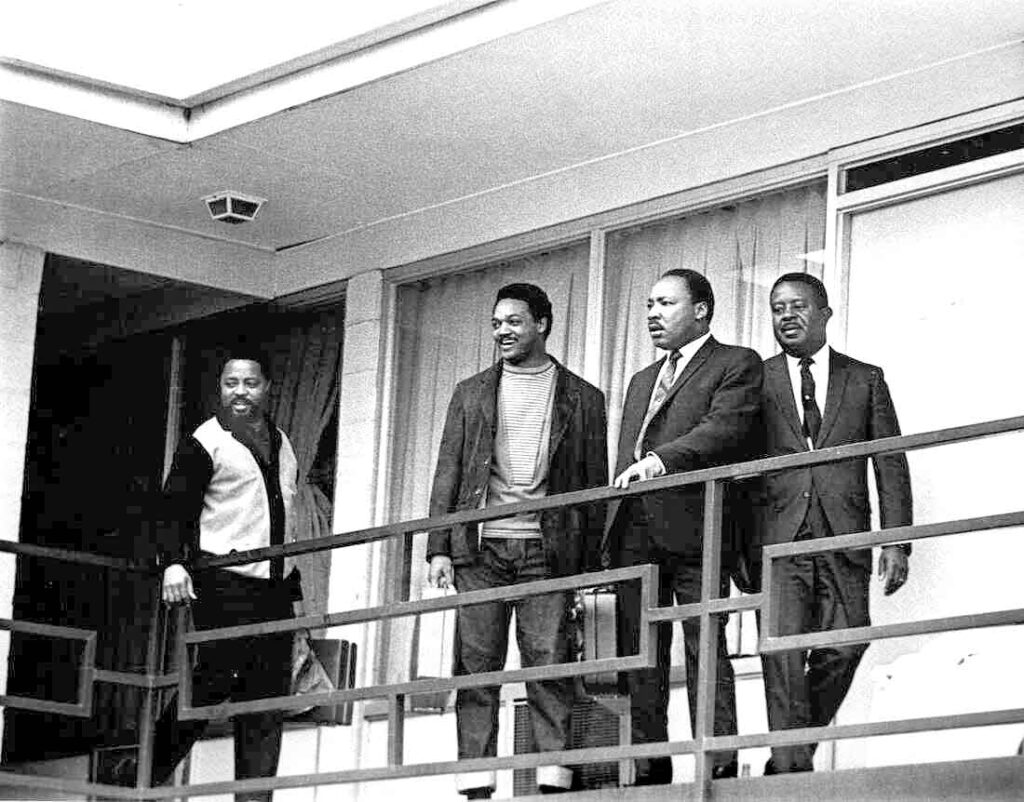
After graduating from North Carolina A&T and the Chicago Theological Seminary, Jackson became a key organizer in the Civil Rights Movement. As a young man, he worked alongside Dr. Martin Luther King Jr., even meeting him at the Lorraine Motel just days before King’s assassination. From those early days, Jackson carried forward King’s mission with his own distinctive voice and vision.
In the waning years of the 20th century, Jackson transformed civil rights activism into political engagement. He founded Operation Breadbasket and later the Rainbow/PUSH Coalition, organizations that pushed for economic justice, voting rights, and inclusion in corporate America. His work on jobs, education, and community empowerment helped expand the movement beyond marches and sit-ins into everyday life for millions of Americans.
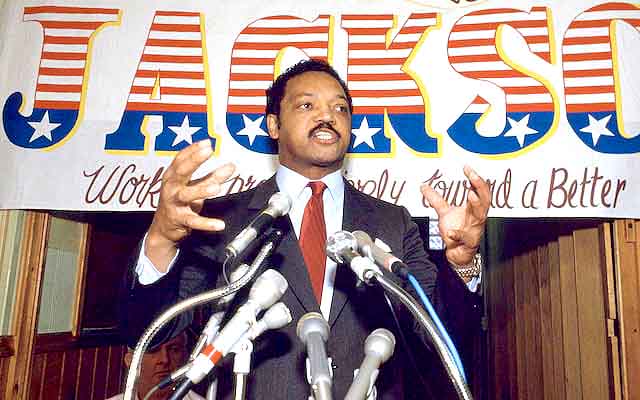
But perhaps no chapter was more defining than his presidential campaigns. In 1984 and 1988, Jackson became the first Black candidate to mount truly viable runs for the Democratic nomination. Though he did not win the White House, his campaigns galvanized Black political participation, reshaped delegate rules, and set the stage for future leaders — most notably Barack Obama. Jackson’s rallying cry, “Keep hope alive,” became more than a slogan; it was a summons to a generation.
Jackson’s influence also extended worldwide. Known for his moral courage, he served as an international mediator, advocating for human rights in conflicts from the Middle East to Africa. His voice was moral, prophetic, and unafraid — even when controversial.
In recent years, Jackson faced health challenges, including neurological disorders and debilitating conditions that limited his public presence. Nonetheless, he remained a symbol of resolve, urging new generations to continue the work of justice.
World leaders, presidents, activists, and ordinary citizens have paid tribute since his passing — acknowledging a life that expanded freedom, deepened democracy, and pushed America closer to its promises, even when those promises remained incomplete.
Rev. Jesse Jackson leaves a legacy not only of achievements but of unfinished struggle — a reminder that the arc of justice bends only through our collective effort. In this Black History Month, his life calls us to keep hope alive — and to act.