By Andrea Stevens
AFRO Staff Writer
astevens@afro.com
There are constant conversations on how global warming is affecting the country as a whole, but focusing on its local impact is just as important.
Credit: Photo courtesy Everett Mitchell
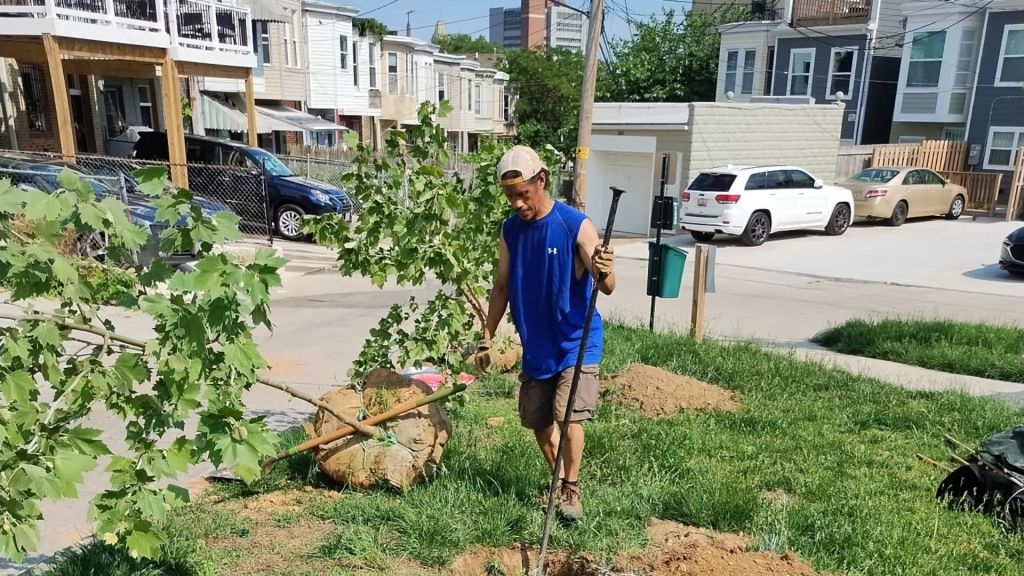
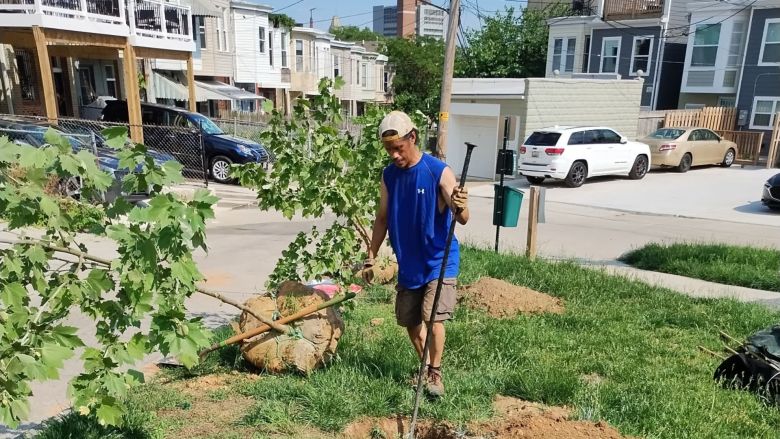
In the heart of Baltimore, a quiet but powerful movement is taking shape one tree at a time. Longtime arborist and environmental advocate Everett Mitchell has been on the frontlines of urban tree planting for decades. Mitchell, who is also a dedicated vegan of over 25 years, has a commitment to nature that runs deeper than just his profession. It is a way of life.
“I’ve been in the tree business since the ‘90s. My first tree job was ’91 or ’92 and I’ve been consistently at it since 2011 as far as my business is concerned,” said Mitchell.
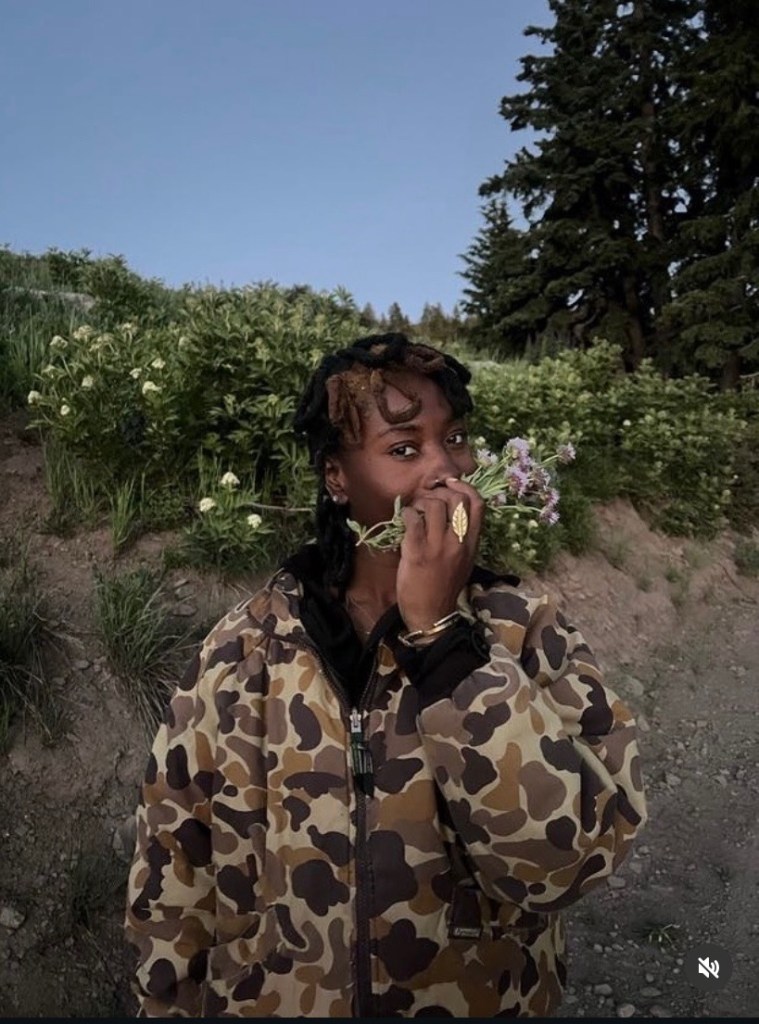
Joining him in a recent planting effort was Leah Oliver, a local community member and green industry worker who is passionate about conservation and environmental justice. Together, they planted trees at McCulloh Homes, a public housing complex in West Baltimore.
“There is a significance to green spaces in urban environments especially where people don’t have the privilege to escape to remote nature,” said Oliver. “Earth is home. We’re part of nature. We’re not separate from it. Planting trees is a small contributing factor to usher us back to living as one.”
For both Mitchell and Oliver, planting trees is more than just beautification. It is a tangible step in addressing the climate crisis on a neighborhood level.
“We take away trees and don’t replant them,” Mitchell said. “Even in my tree removal business, if I cut a tree I like to plant one in its place.”
While many residents appreciate the benefits of tree cover, including cooler temperatures and cleaner air, not everyone is immediately supportive.
“Even though you’re out there planting trees you get a whole lot of different things from the community,” said Mitchell. “Some people don’t want trees in front of their house because they’re worried about the size, the leaves or the branches. Some have even pulled trees back out of the ground after we left.”
Still, Mitchell stays rooted in his mission. He has made it a priority not just to plant trees but also to repurpose what is removed. From salvaged trunks, he crafts benches and teaches youth how to make bamboo flutes as a way to connect with nature and manage stress.
“My connection with nature is pretty strong. I trim trees. I farm. I forage,” he said. “I’ve always felt the need to tune in with what nature is doing. It’s a part of life.”
Oliver adds that green projects in urban areas are essential for learning and healing.
“Trees are like the technology of Earth but they’re also like living beings. Something I planted that is giving off oxygen is going to last past my existence,” she said. “Adding green spaces to cities is important not just for education but also for the emotional and mental benefits they bring to people who live there.”
Mitchell believes the solution to climate change begins with daily action and a renewed respect for the natural world.
“We really have to make nature part of our daily lives,” he said. “We can’t keep running the Earth into the ground and expect no consequences.”
In a city facing hotter summers and stronger storms, Everett Mitchell and Leah Oliver are proving that hope can take root, one tree at a time.
The post Planting hope: How Baltimore locals use trees to fight climate change appeared first on AFRO American Newspapers.