SPEAKIN’ OUT NEWS
Why Red Blood Cells Matter
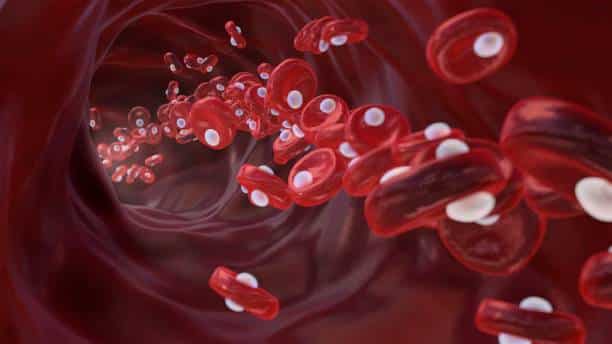
Red blood cells are created in the bone marrow and carry oxygen from your lungs to the rest of your body. They also remove carbon dioxide by bringing it back to the lungs so you can exhale it. Without enough red blood cells, your body can’t get the oxygen it needs to function properly.
A low red blood cell count can lead to anemia, which brings on symptoms like constant fatigue, pale skin, rapid heartbeat, cold hands and feet, and even heart problems over time.
Short- and Long-Term Effects
For children, low RBC levels can slow growth and development. For adults, it can mean ongoing tiredness, weakness, and a greater risk of other illnesses. Certain types of anemia, like iron-deficiency anemia, can also increase risks of depression and worsening symptoms. More serious conditions, like sickle cell anemia, can be life-threatening, causing blocked blood flow, severe pain, organ damage, and strokes.
Signs to Watch For
You may have low red blood cell levels if you:
- Feel tired all the time
- Struggle to breathe normally
- Notice pale skin
- Have a rapid heartbeat
- Find it hard to concentrate or stay alert
These are all warning signs your body is asking for help.
What You Can Do
You can raise your red blood cell count by boosting your iron intake. Eat more dark leafy vegetables, red meat, egg yolks, raisins, and prunes. Iron supplements can also help. Vitamins B-12, A, C, folic acid, and copper are essential for red blood cell production, too.
And don’t forget exercise — moving your body increases its need for oxygen, which signals the body to make more red blood cells.
The Bottom Line
Your body is a temple, and it always gives signs when something isn’t right. Paying attention to symptoms and fueling your body with the right nutrients can protect you from the serious dangers of low red blood cell counts.