(WALK THE TALK)
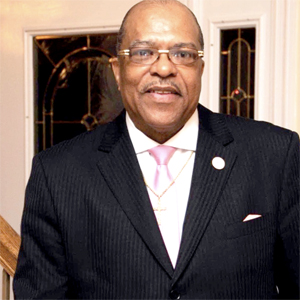
By: REV. DR. ISAIAH ROBINSON, JR.
Scriptural text: JEREMAH 7:1-11, 21-23
KEY VERSE I this command: Obey me, and I will be your God And you will be my people; Walk in obedience to all I command you, that it may go well with you (Jeremiah 7: 23 NIV)
INTRODUCTION: Some people will act in a certain way in one setting, but in another place, they live by a different set of standards. Jeremiah was compelled by God to speak out against Judah’s duplicity because they stood in God’s house and said, “We are safe,” but they continued in their sin once they left their place of worship. The people of Judah, especially those in Jerusalem, had become complacent in their faith, relying on the temple rather than living in accordance with God’s commands. They thought that their covenant relationship with God was only about external actions, the rituals they performed in the Temple.
JEREMIAH RECEIVES GOD’S COMMAND (THE FALSE SECURITY OF RELIGIOUS RITUAL (7:1-4). The book of Jeremiah delivers powerful messages about authentic worship and having a genuine relationship with God. The Lord instructed Jeremiah to “stand in the gate of the Lord’s house (v.2). This “house” was the Temple in Jerusalem, which was considered the dwelling place of God among His people and a symbol of God’s presence. The spot allowed Jeremiah to address everyone who entered the Temple “to worship the Lord.” The people of Judah believed that their presence in the Temple guaranteed God’s blessings, regardless of their behavior. They thought that merely participating in religious rituals would earn them God’s favor. But Jeremiah challenged that mindset with succinct words: “Amend your ways and your doings.” The people’s continued presence in Jerusalem and Judah depended upon their repentance. God’s covenant relationship with the people was conditional on their faithfulness to His commands. In disobeying, they would experience the curses Moses noted in Deuteronomy 28, which included being removed from the Promised Land and being scattered among nations. Jeremiah warned the people against false confidence in “deceptive words” spoken by the false prophets. The phrase “the temple of the Lord” was likely a chant that the people repeated. It reflected their continued belief that they could continue their sinful ways while relying on the Temple as some type of good-luck charm that would protect them. That thinking was deceitful because it would lead to the people’s destruction.
GOD’S REQUIREMENTS FOR TRUE WORSHIP (7:5-11). Jeremiah clarified what true repentance entails and how the people could live justly in accordance with God’s commands. Jeremiah emphasized God’s command for His people to practice justice in their relationships. Social justice and righteousness were to be cornerstones of the people’s covenant with God. The implication here is that true repentance manifests itself not only in personal piety but also in how one treats others in the community. To restore their relationship with the Lord, the people would have to end their idolatry (going after other gods) and worship only the Lord God. Jeremiah declared that God deserves a heartfelt relationship over mere ritual. True worship emerges from a heart aligned with His will and sincerely committed to His purpose.
GOD DESIRES OBEDIENCE (7:21-23). This passage highlights the difference between meaningless religious rituals and true obedience to God’s commandments. The promise that “it may be well with you” signifies the blessings that result from living in accordance with God’s will, which include His protection and His presence. The idea that obedience to God leads to flourishing is a recurring theme in the Old Testament. Worship without righteousness, ritual without repentance, and religious practices apart from moral integrity are unacceptable to God. Our faith should restSchool Lesson on a genuine relationship with the Lord.