By SPEAKIN’ OUT NEWS
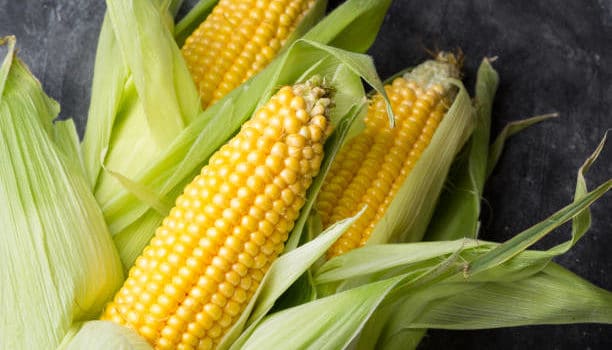
Is corn good for you? It’s the question that pops up the moment the foil comes off the grill — sweet corn steaming, butter melting, and someone nearby side-eyeing it like, “This is basically sugar, right?”
Corn has taken plenty of criticism over the years. It’s often labeled too starchy, too sweet, or not “clean” enough for the latest diet trend. But long before diet culture existed, corn was a dietary staple across civilizations, valued for its nourishment and versatility.
So what’s the truth?
Yes, corn can be good for you, especially when eaten in its whole, minimally processed form. Whole corn provides fiber, complex carbohydrates, and essential nutrients that support overall health. It also contains antioxidants that benefit eye health.
???? Health Benefits of Corn
Supports digestion with dietary fiber that promotes gut health
Provides steady energy through complex carbohydrates
Protects eye health with antioxidants like lutein and zeaxanthin
Naturally gluten-free, making it safe for gluten sensitivity
Supports heart health by helping manage cholesterol levels
Delivers essential vitamins, including B vitamins for metabolism
Supplies key minerals such as magnesium and potassium
Promotes fullness, helping with appetite control
Corn often gets a bad reputation because it’s confused with heavily processed corn products like corn syrup and snack foods. Those products are not nutritionally equivalent to corn on the cob, roasted kernels, or air-popped popcorn.
Preparation matters. The healthiest ways to enjoy corn include grilling or boiling corn on the cob, roasting kernels, adding corn to salads or soups, or enjoying lightly seasoned popcorn. Heavy frying, sugary coatings, and excess butter can reduce its benefits.
The bottom line? Corn isn’t the nutritional villain it’s often made out to be. In its whole form and enjoyed in balance, corn can be a satisfying, nutritious addition to a well-rounded diet — guilt not required.