by SPEAKIN’ OUT NEWS
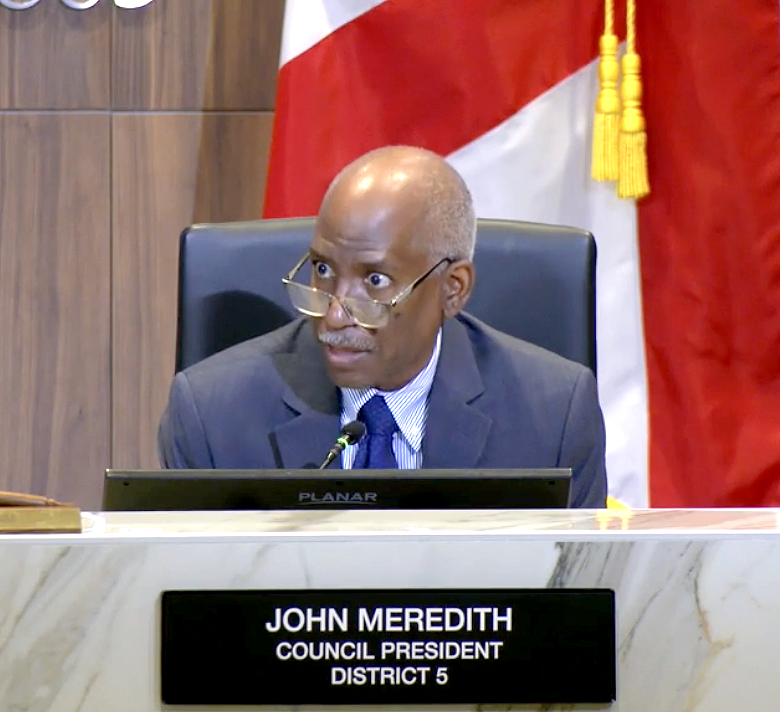
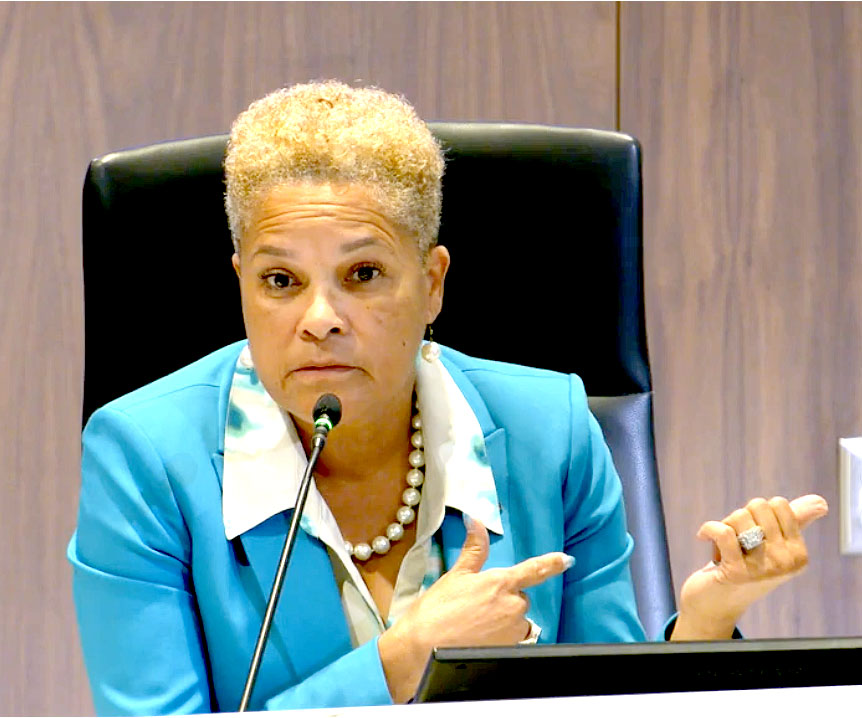
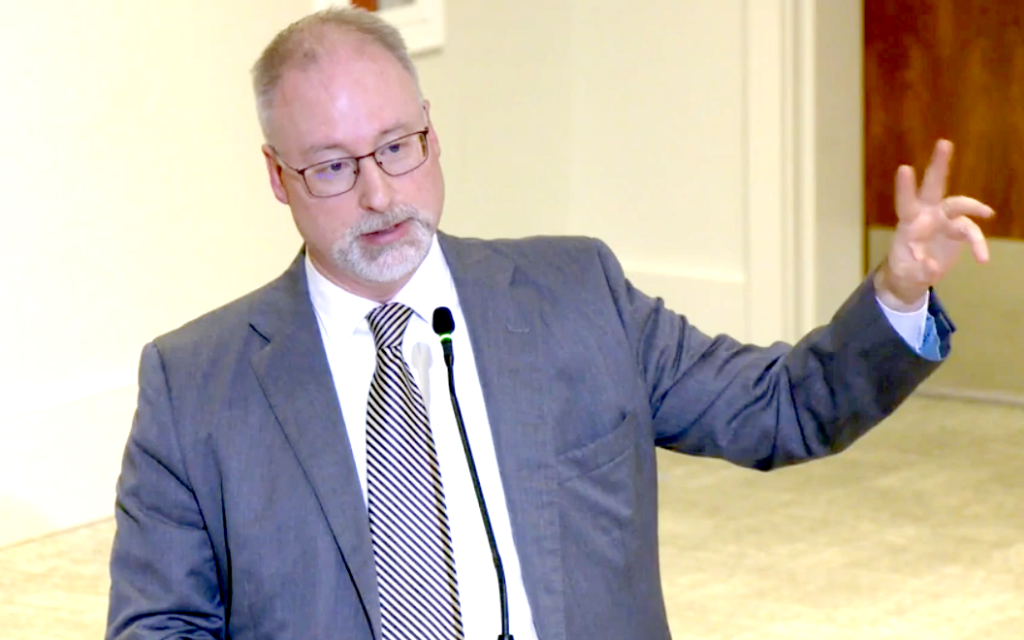
Left to right: Huntsville Utilities CEO Wes Kelley outlines the vision for expanding natural gas infrastructure through a regional co-op; City Council President John Meredith and Councilwoman Michelle Watkins expressed concern over contractual clarity and lack of data reports. (City of Huntsville)
HUNTSVILLE, Ala. — As communities across the nation seek energy solutions that are both reliable and cost-effective, natural gas remains a cornerstone of modern infrastructure. It powers homes, fuels industries, heats hospitals, and supports economic development—all while burning cleaner than other fossil fuels. In regions like North Alabama, where winter demand often outpaces supply, access to natural gas isn’t just a convenience—it’s a necessity.
That urgency was on full display Thursday night during a nearly five-hour Huntsville City Council meeting, where members narrowly voted to join a newly proposed North Alabama Public Energy District—a regional cooperative aiming to build a natural gas pipeline to serve underserved communities north of the Tennessee River.
A divided Huntsville City Council voted 3–2 Thursday night to approve the city’s participation in a newly formed North Alabama Public Energy District—a regional cooperative aiming to build a natural gas pipeline serving communities north of the Tennessee River. The decision followed a marathon meeting that ran nearly five hours and featured pointed exchanges over the project’s readiness, transparency, and leadership.
The resolution passed with Councilmembers Bill Kling, Jennie Robinson, and David Little voting in favor. President John Meredith and Councilwoman Michelle Watkins voted against the measure, citing a lack of financial data, vague contract terms, and weak advisory oversight.
Aiming to Expand North Alabama’s Energy Capacity
The new cooperative—which includes Huntsville, Scottsboro, and Athens—intends to increase regional access to natural gas by connecting to intercontinental pipeline networks, such as the Tennessee Gas Pipeline and the East Texas gas lines. The effort is being spearheaded by Wes Kelley, President and CEO of Huntsville Utilities, which serves over 200,000 electric, 100,000 water, and 56,000 gas customers in Huntsville and Madison County. The utility ranks as the 17th-largest publicly owned utility in the U.S.
Kelley will join Jim Green Jr. of Scottsboro and Braxton Guinn of Athens on the cooperative’s initial Board of Directors, with potential expansion in the future.
Kelley explained that the Pipeline Gas Agreement would give the cooperative the right to access and transport gas, but emphasized that “you still have to buy the gas to pump it through.” He said the goal is to eventually link up with major lines in the western corner of Alabama to improve long-term energy security.
“This is not specifically a Huntsville issue,” Kelley said. “It’s something that impacts everyone north of the river.”
Currently, Huntsville Utilities buys gas from BP Energy, ConocoPhillips, Shell, and NextEra Energy, transporting it through pipelines from the Gulf to North Alabama. Huntsville has an arrangement with the Tennessee Gas Pipeline but not yet with East Texas suppliers.
Winter Strains Highlight Urgency
Scottsboro Mayor Jim McCamy made an impassioned plea, sharing that Jackson County sits at the end of the gas supply line, leaving its industries—and even hospitals—vulnerable to curtailments during cold snaps.
“You can imagine in the wintertime when it gets really cold, you have to curtail industries with gas, and then you have to look at curtailing the hospital. And that has happened,” McCamy said.
He urged Huntsville to act:
“We’re stymied. We’re at a standstill. This is a tremendous opportunity to continue the growth in North Alabama that Huntsville has anchored.”
Calls for Due Diligence Spark Debate Among Council
Councilwoman Michelle Watkins criticized the lack of supporting data presented to the council ahead of the vote, raising deep concerns about the process and transparency behind the proposed energy district. She stressed the absence of key documentation needed to make an informed decision.
“There’s no cost analysis, no understanding of liabilities or legal ramifications, no clear presentation of pros and cons, strengths or weaknesses. I don’t have that information.
How will this benefit Huntsville? How would this merger work? Are there inflation escalators? What percentage of the pipeline will be allocated to the City of Huntsville?”
When asked directly, Huntsville Utilities CEO Wes Kelley responded:
“Yet to be determined, ma’am.”
Watkins responded in dissatisfaction:
“We’re talking about giving you power, and then you want to come back later to give us a study,” Watkins said. “A study should be here now—not after the fact. It’s like telling a child not to touch the stove after they’ve burned their hand.”
Watkins also questioned whether the city’s Energy Advisory Board had been adequately consulted. Kelley stated the proposal had been discussed and was well-received—except for one dissenting member, Mr. Tate. But Watkins remained unconvinced.
“Some of those members I don’t take seriously,” she said. “Half of them don’t come to the meetings, and the other half don’t know what energy is.”
Council President John Meredith echoed Watkins’ concerns, focusing on the ambiguity of the proposed contracts:
“I see a ton of potential here,” he said. “But I’m just not comfortable with the nature of the attachments and contracts, particularly how they’re written. I don’t see how we can authorize this today, then get the missing information later and say, ‘We don’t want this’—because by then, it’s too late.”
Kelley pushed back:
“I actually disagree with that, sir. I’d give this 50/50 if it ends up being a problem. It’s premature. We have to do the work.”
Meredith replied:
“But that’s exactly what Councilwoman Watkins is saying—the work should have been done before we were asked to make this decision.”
Supporters See Strategic Necessity
Despite hesitations from some members, the resolution passed 3–2, with Councilmembers Bill Kling, Jennie Robinson, and David Little supporting the measure. The majority viewed the project as a strategic step to address the region’s long-term infrastructure needs and promote economic growth.
Councilwoman Jennie Robinson, a strong proponent of the initiative, emphasized that inaction would leave Huntsville vulnerable to outside control.
“This is a proactive effort,” Robinson said. “I sense a sense of urgency as we encounter our limits and abilities in continuing economic development. If we don’t do anything, we really won’t have a choice. This would put us at the mercy of private gas pipelines if we don’t do something.”
Robinson and others highlighted the energy constraints faced by neighboring cities, emphasizing the importance of regional collaboration to achieve energy independence and future resilience.
What’s Next?
The cooperative plans to establish a presence across Lauderdale, Limestone, Madison, Jackson, Marshall, and DeKalb counties, with support already pledged by regional legislative delegations.
While full pipeline construction may still be months—or five years—away, the vote formalizes Huntsville’s role in addressing a regional energy access gap that officials say has long stunted winter resiliency and future development.
Wes Kelley, CEO of Huntsville Utilities and a member of the new cooperative’s board, concluded:
“The Gas Board and Huntsville Utilities would commit to coming back to this city council before any long-term commitment is made. This should be a project that we are proud of, to boast about, to extend natural gas for the next 50-100 years on the north side of the river.”
Councilwoman Jennie Robinson said, “This is a proactive effort. I sense a sense of urgency as we encounter our limits and abilities in continuing economic development. If we don’t do anything, we really won’t have a choice. This would put us at the mercy of private gas pipelines if we don’t do something”.
The discussion concluded with a 10-minute recess. Councilwoman Watkins wanted the last comment on the matter: “Let the record show, when this comes back to bite us, if it does, I stood firm on business and said, No.”