By SPEAKIN’ OUT NEWS
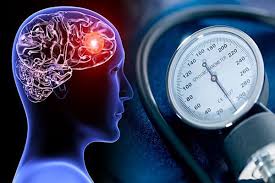
High blood pressure doesn’t just harm your heart — it can quietly damage your brain, too. Over time, hypertension can weaken blood vessels, disrupt circulation, and even trigger strokes or memory loss. Here are five ways it can put your brain at risk — and what you can do about it.
1. Hypertension and Vascular Dementia
Vascular dementia happens when reduced blood flow deprives the brain of oxygen. Chronic high blood pressure narrows and weakens blood vessels, leading to brain cell death. This can cause confusion, poor decision-making, and memory problems.
Bottom line: lowering your blood pressure through lifestyle changes and medication can significantly reduce your risk.
2. White Matter Lesions
Hypertension contributes to small areas of brain damage known as white matter lesions. These disrupt communication between brain regions, slowing processing speed and affecting memory and planning. MRIs can detect them early, and good blood pressure control helps prevent further damage.
3. Microbleeds
Tiny cerebral bleeds, or microbleeds, often occur without obvious symptoms. They’re caused by small vessel disease — another consequence of long-term hypertension. Left untreated, they can lead to brain injury and cognitive decline. If you experience confusion, headaches, or balance problems, talk to your doctor.
4. Increased Stroke Risk
Hypertension is the leading cause of both major types of stroke: ischemic (caused by clots) and hemorrhagic (caused by bleeding). Narrowed or burst vessels interrupt blood flow to the brain, sometimes with devastating effects. Warning signs include speech difficulties, weakness, and sudden confusion — call 911 immediately if they appear.
5. Cognitive Decline and Memory Loss
Reduced circulation from high blood pressure can cause neurodegeneration — a decline in memory, focus, and overall brain function. Protect your mind by managing blood pressure, eating brain-healthy foods like blueberries, fatty fish, and nuts, exercising regularly, and getting enough sleep.