By Tashi McQueen
AFRO Staff Writer
tmcqueen@afro.com
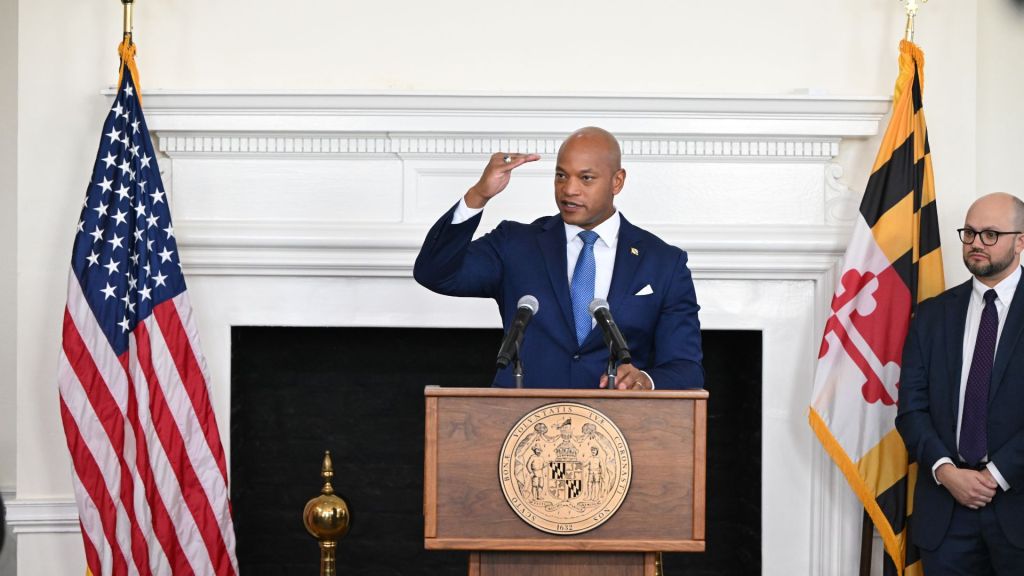
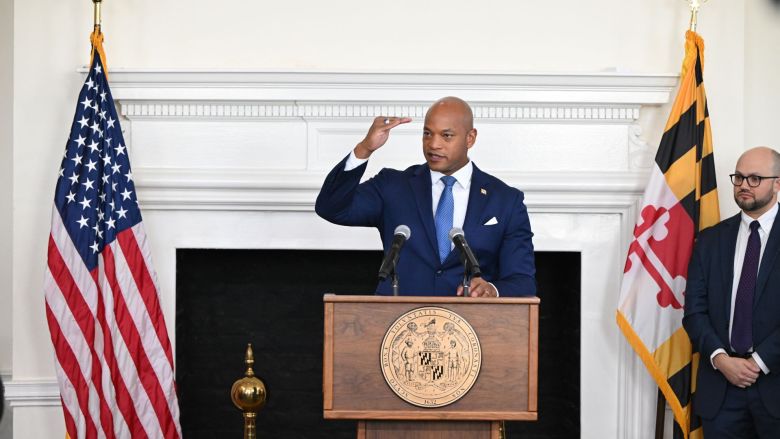
Maryland Gov. Wes Moore (D), joined by Maryland Department of Budget and Management Acting Secretary Jake Weissmann, announced the Moore-Miller administration’s proposed $70.8 billion fiscal year 2027 state budget Jan. 21 in Annapolis, Md.
The proposal comes as the state faces a projected $1.5 billion deficit, making this year’s budget process one of the most consequential for Maryland lawmakers and residents. The General Assembly is required to pass a balanced budget each session to ensure continued government operations, often forcing difficult decisions about funding priorities, reductions and whether new taxes or fees are necessary.
Moore said the budget focuses on three priorities: protecting Marylanders, lowering costs and increasing the state’s economic competitiveness.
In the weeks leading up to the announcement, the governor outlined several major components of the plan, including a record $10.2 billion investment in K-12 education, increased funding for law enforcement and $73.7 million for 252 local revitalization projects administered through state housing and community development programs.
Among those efforts is the Baltimore Regional Neighborhood Initiative, which supports redevelopment within the Baltimore Beltway. More than $20.5 million is proposed for 78 projects, including mortgage rate reductions for formerly vacant homes, improvements to North Avenue Market and the rehabilitation of the historic Upton Mansion to house the AFRO Archives in Baltimore City.
The proposed budget also maintains an 8 percent rainy day fund and includes approximately $900 million in targeted cuts and other cost-saving measures, such as transferring funds between initiatives. It introduces no new taxes or fees and balances the budget by reducing government operating expenses by $154 million between fiscal years 2026 and 2027.
State Sen. Cory McCray (D-Md.-45), a member of the Senate Budget and Taxation Committee, said the proposal begins what he expects to be an extended and complex budget process.
“This is a year that requires greater communication, especially when tough conversations have to happen,” McCray said. “The Governor’s proposed budget starts that conversation by prioritizing what he views as the state’s essential needs, but now the real work begins.”
McCray said discussions between the executive branch and legislature will continue throughout the session.
“Over the next 80-plus days, the legislature and the executive branch will be in constant dialogue to ensure the final budget reflects our shared principles and values while remaining fiscally responsible,” he said. “For Black Marylanders, we will be working collectively to ensure that historically disenfranchised communities have a seat at the table. For Baltimore City, we will be laser-focused on outcomes that pour into our next generation while also protecting the shoulders we stand on.”
He cited funding for Historically Black Colleges and Universities, neighborhood revitalization, education and communities with high concentrations of poverty as key focus areas.
Moore and Weissmann attributed much of the state’s shortfall to actions by the 47th president’s administration, including federal layoffs, delayed benefits and reduced funding for community initiatives.
“There were concerns about the state’s revenues and our fantastic Board of Revenue Estimates forecasted that our state could be hit and planned with more conservative investments,” Weissmann said. “However, what nobody could have predicted was the chaos in D.C.”
He said those actions led to the loss of nearly 25,000 federal jobs in Maryland, representing about 15 percent of the state’s federal workforce.
Republicans, however, criticized the proposal as avoiding long-term structural issues.
“I’m disappointed that instead of confronting the long-term structural issues that are driving future deficits, the administration has chosen to shift money between funds,” said State Sen. Paul Corderman (R-Md.-2), ranking Republican on the Senate Budget and Taxation Committee. “Marylanders expect a responsible, sustainable budget that addresses the real challenges facing our state-not one that postpones difficult, but necessary decisions.”
Moore defended the administration’s approach.
“Being fiscally responsible and being fiscally disciplined does not mean we stop investing in what matters most to the people in the State of Maryland,” Moore said. “But it does mean that we’re going to be more targeted. We’re going to be more data-driven about how we invest.”
Residents can follow the budget process on Maryland Public Television, which will livestream legislative sessions through the end of the session on April 13.
The post Gov. Wes Moore announces his proposed fiscal year 2027 budget appeared first on AFRO American Newspapers.