By Marnita Coleman
Special to the AFRO
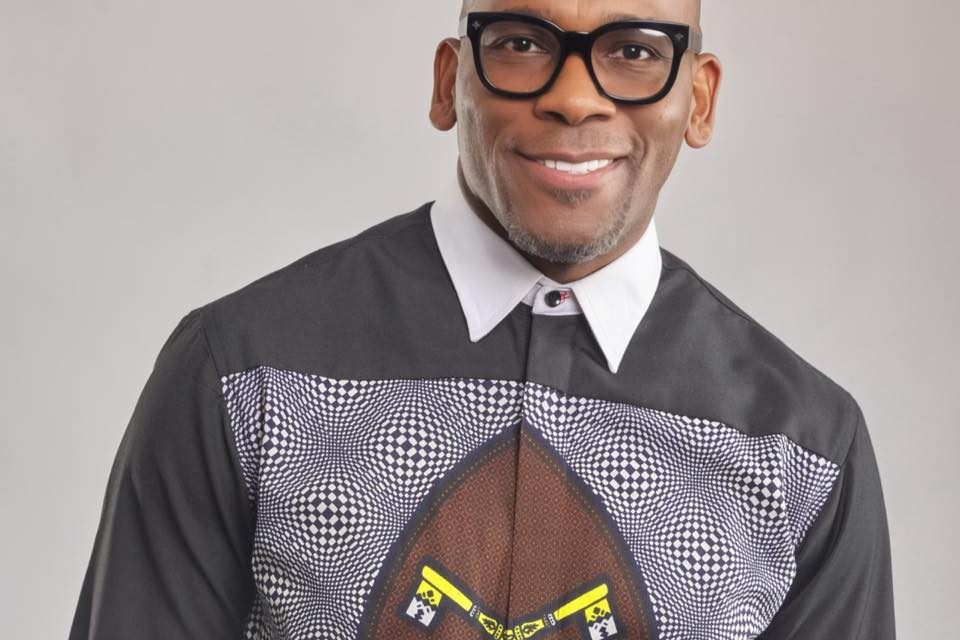
Baltimore, get ready to celebrate. In honor of 25 years of powerful service and impact, Empowerment Temple African Methodist Episcopal Church (ET) is hosting its black-tie, 25th Anniversary Gala on Sept. 19. Beginning at 6:30 p.m., all roads lead to The Forum Caterers on Primrose Avenue in Northwest Baltimore for an unforgettable fundraising evening, one that will spotlight the great things God has done and the exciting future ahead. The keynote speaker is Empowerment’s former pastor, Rev. Dr. Jamal Harrison Bryant.
On Easter Sunday, April 23, 2000, the doors of ET officially and publicly opened with 43 members at The Grand in downtown Baltimore, under the leadership of Dr. Bryant, the visionary, founder and first senior pastor, who said he felt a God-ordained call to reach the “unchurched.”
“When I launched the Empowerment Temple 25 years ago, I had absolutely no idea that it would take hold and cause a whirlwind of cultural and spiritual influence,” reflects Dr. Bryant. “I’ll never forget–it was not a church launch, it was a revival and a movement.”
He added, “A whole demographic of young people who were unchurched became members of our ministry, and we saw an explosive growth from a small Bible study in my living room to 10,000 people.”
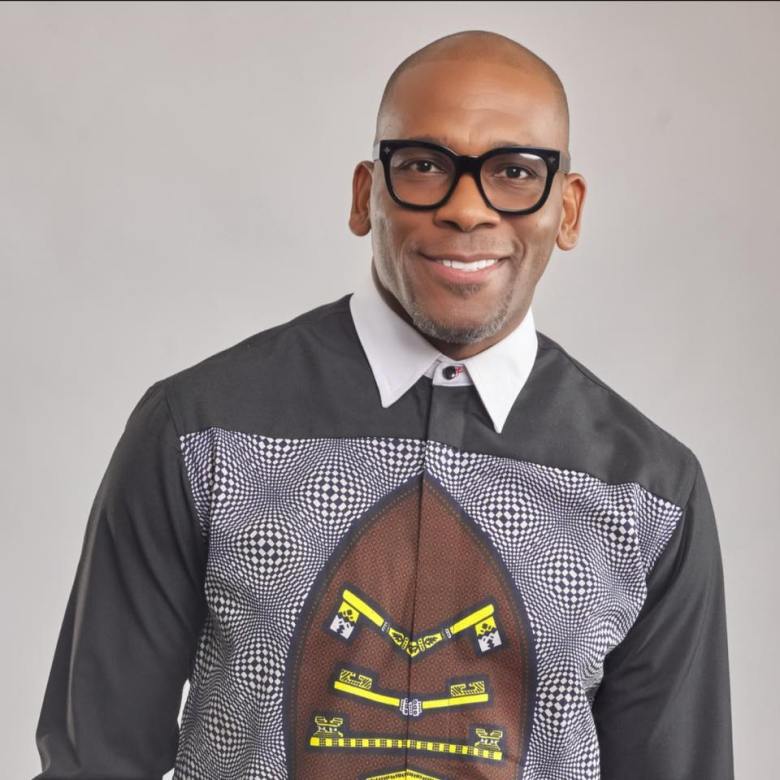
Rev. Wilistine Dargan joined ET that day and remains an active member and leader. She serves as director of Congregational Care and Member Services, vice chair of ministerial staff and in various other roles.
“My ET experience over the last 25 years helped me to be an effective leader within my church and community at large,” Dargan says. The importance of “social justice and community outreach” was instilled in her. As a result, Rev. Dargan birthed her own ministry outreach, Shattered Not Broken in 2019, with the blessing of Dr. Bryant.
Bishop Walter S. Thomas Sr., pastor emeritus of New Psalmist Baptist Church in Baltimore, also remembers “the genesis” of ET. He was around 50 and Bryant was around 25. They had an “uncle” and “nephew” relationship, pastoring two of the largest African-American churches in the city.
According to Thomas, the city was struggling with many issues even though there were strong churches – “New Psalmist being one.” It just wasn’t enough. There were sectors of the Black community that weren’t being touched by churches. Bryant was “well-known for his activism and church connection,” Thomas added, since he had served as the NAACP’s national youth and college director from 1996 to 2002.
Under Bryant’s leadership, ET gained a reputation for “blending the Black church tradition with a fresh, relevant voice for a new generation,” he said. Bryant explains that they were very “intentional” about creating a “bridge of heritage,” where innovation and the “hood” would coexist.
“Can you imagine when I started Empowerment Temple in 2000, there was no such thing as Instagram? There was no such thing as TikTok? There was no such thing as an iPhone” So, we grew with technology,” he said.
The mission of the then-fledgling church was “to empower people spiritually, develop them educationally, expose them culturally, activate them politically and strengthen them economically.”
The starting point was ground zero because the unchurched were unfamiliar with the basics of church. Initially, an estimated 86 percent of those coming to ET “had never been to a church before,” or ever had a relationship with a pastor. Dr. Bryant had to set the course and relate to the entire congregation.
“It was dressed down every Sunday,” he said. Bryant himself had braids and twists in his hair and wore Timberlands. In those days, they were located on North Avenue, he added, “which was a great buzz of activity from Coppin State College to corner boys. Everybody was impacted.”
“As a pastor who had a GED and a doctorate degree, I was able to speak the language of every person who came through the doors,” Bryant said.
While aggressively reaching the unchurched, including Generation X, who at that time were 20- to 35-year-olds, ET had become one of the fastest growing African Methodist Episcopal churches in history. Its impact attracted attention from supporters who were interested in helping them reach a broad audience.
As fate would have it, Duane Johnson, a veteran DJ and an elder at ET, joined Baltimore’s 92Q Sunday broadcast as host of the widely successful “Praise Party.” Johnson’s goal was to preach to the hip hop generation. He was ministering and spinning the hits to the same demographics, and strongly advocating for the ET movement.
“When I hosted the 92Q ‘Praise Party’ on Sunday, we heavily promoted his launch of Empowerment Temple,” Johnson said. “He is one of the greatest preachers and influencers of our generation.”
Jamal Bryant captivated the hearts of Baltimore’s young and old. The messages were relevant and relatable, balanced with culture and Christ. He “could quote Biggy and close with [James] Baldwin,” declared Bishop Thomas.
The congregation’s home changed several times. In addition to downtown Baltimore and North Avenue, it also gathered at Coppin State College and Walbrook Senior High School on Clifton Road before it moved to its current home.
What remained the same was the enthusiasm of its members. The crowds packed out Bible study on Tuesday night and three services on Sunday. The gridlock at Primrose Avenue and Reisterstown Road was real, but worth every grunt. Traffic cops were the saving grace that kept motorists sane and moving, as pedestrians crossed safely amid the constant ebb and flow of people.
In 2006, Nicole Kirby, a seasoned public relations professional from Prince George’s County, Md., desired a career shift from corporate to “a real non-profit.” She had worked with the Orioles, the National Aquarium, Cellular One and Prudential, all of which were in Baltimore. Kirby prayed to God for an opportunity where she could “bring her dog into work if she wanted to.”
God answered with ET, a “progressive non-profit,” as described by her executive search firm. She was never informed that ET was a church; it didn’t sound like a church; and Empowerment Temple didn’t look like a church. After four interviews, Kirby met with Dr. Bryant and two other interviewers. Following a series of questions, Dr. Bryant said, “Take me to the edge of the cliff, just don’t let me fall off.”
In her first few months as the new public relations and special events director, Kirby admitted to being nervous. It was a new arena for her. Dr. Bryant wasn’t just a pastor, but an activist. The assignment was more than getting people to vote. It required watching CNN for global news, knowing what was going on with the mayor’s office, following Rev. Al Sharpton and Rev. Jesse L. Jackson to know what they were talking about, finding out what’s not right that needed attention from them, forecasting the trends of what was coming next, all while staying vigilant and grounded to guide the community.
“We were out in those streets, helping every year with the food drives, giving love, giving food,” Kirby said. “We had the whole parking lot tented, giving away food–fresh collard greens and string beans and potatoes, and we would have it set up like a market.”
Kirby said that during that time, the priority was being “the voice for the voiceless.” They were passionate about helping people who did not have a voice and could not get what they needed.
The death of Freddie Gray was a major event drawing national media attention. Dr. Bryant delivered the eulogy and Kirby handled all of the news coverage.
“We were doing the work,” Kirby said. “And I’m saying we, because it was the ministers. It was the members. We had some wonderful volunteer member corps, that if we put the word out, they were showing up.”
Since its inception, ET has been on the forefront of bold moves, cutting-edge strategies and giving back to the community through unique partnerships, affiliations, programs and the generosity of its members.
The church has paid congregants’ bills and formed a unique alliance with Wilberforce University in Ohio to provide four-year scholarships to graduating high school seniors. It organized a gun buy back; held music concerts with major gospel artists; called for Code Red voter preparation in 2012; conducted panel discussions with iconic figures such as Rev. Jesse L. Jackson, Bishop Vashti Murphy McKenzie, host and commentator Roland Martin and BET’s Jeff Johnson; aired live events on the Word Network Broadcast with Bishop George Bloomer; hosted world renowned televangelist Pastor Benny Hinn; welcomed celebrities Ledisi, Ray Lewis, and other guests and hosted events to empower the community.
For Deborah Hines, a member of ET since 2001, there was one major attribute that made her a committed member.
“The best part of ET for me was the word that kept me rooted throughout my years, which is now 24 years,” said Hines who has served as an usher and choir member. She cherishes the fellowship and love with those who walked the same road as she did and never gave up. “Today, the only thing I can say is to God be the glory for all He has done in my walk with ET.”
In December 2018, Dr. Bryant moved south to take another assignment as senior pastor of New Birth Missionary Baptist Church in Stonecrest, Ga.
The Rev. Dr. Ann Lightner-Fuller and Pastor George Joseph “G.J.” Barnes served the Empowerment Temple during the interim transition period.
The next movement for ET will be directed by the Rev. Dr. Robert Richard Allen Turner, who was installed as senior pastor in September 2021. In accepting the mantle of leadership at ET, he stepped into the legacy of a phenomenon–no small task. Under the dynamic ministry of Dr. Bryant, ET became known as “the most powerful place on the planet,” a movement that reshaped Baltimore’s spiritual and cultural landscape.
Turner said he is approaching the role with “great reverence and humility.” However, he’s decided not to mimic anyone else’s tracks. He’s confident in blazing his own trail.
“Because my shoes are my shoes,” Turner said, “and I haven’t walked in theirs; they haven’t walked in mine.”
But he’s thankful and grateful to be able to walk to and from the same place they have for almost four years now.
“Oh, man, the future of Empowerment Temple is whatever we want to make it,” Turner said. “God has blessed us with so much untapped potential.”
He added, “The past 25 years were historic, but I truly believe our best years are ahead.”
He confirms his commitment “to saving souls and transforming lives through relevant ministries, while also addressing social justice and the everyday needs of people.”
“Each month we serve, through food distribution, neighborhood cleanups, book clubs, and quarterly town halls that empower the community with knowledge and resources,” he said. “We also advocate nationally on issues like pay equity, reparations, housing and mental health.”
The church members read books together, trying to be one of the most literate congregations in the world–or at least in the country. The church is currently reading Dr. Turner’s “Creating a Culture of Repair.” They also read their Bible during worship service and Bible study every Tuesday.
For Turner, ministry is about serving the whole person. It’s about reminding people that it’s OK to come back to church, that God values them, and that His love covers every part of their lives. That’s the vision for the next 25 years: service, empowerment, and a deeper walk with God.
For more information about the Empowerment Temple, click here. To purchase tickets for the gala, visit: ETAME.net.
The post Empowerment Temple celebrates 25 years of faith and community appeared first on AFRO American Newspapers.