By SPEAKIN’ OUT NEWS | Health Feature | August 2025
risks for African Americans disproportionately affected by high blood pressure and kidney
disease.
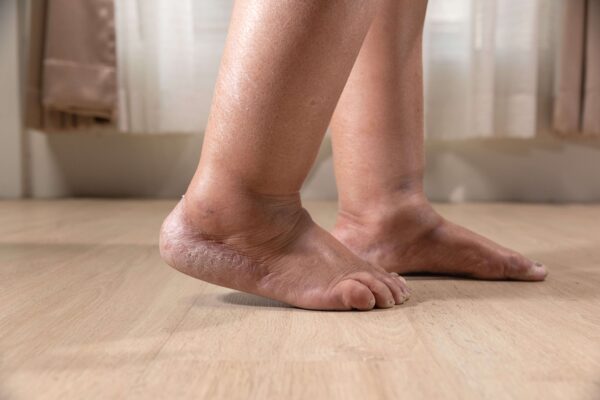
Edema—the swelling caused by fluid buildup in the body’s tissues—affects millions of Americans, but it hits African Americans especially hard due to higher rates of the conditions that trigger it.
Why It Matters
Edema usually shows up in the feet, ankles, hands, or legs. While it may look like simple “water weight,” doctors warn it can signal serious problems like heart disease, kidney disease, or diabetes.
Dr. Karen Lewis, a Birmingham cardiologist, explains:
“Edema is not just swelling—it’s often the body’s way of signaling something more serious. Because African Americans have higher rates of hypertension and heart disease, they’re more likely to experience it.”
The Disparity
According to the CDC, nearly 56% of Black adults live with high blood pressure—higher than any other racial group. This makes fluid buildup more common, often paired with limited access to fresh foods, preventive care, and safe spaces for exercise.
Registered dietitian Marcus Hall says environment also plays a role:
“Too often, Black communities face food deserts where processed, high-sodium foods are the norm. That leads to water retention and swelling, but more importantly, it fuels the very conditions that cause edema.”
Steps That Help
Managing edema starts with addressing the cause. Doctors recommend:
- Watching sodium intake (limit processed foods and fast food)
- Monitoring blood pressure regularly
- Staying active to boost circulation
- Using compression socks if needed
- Seeing a doctor early if swelling appears
Bottom Line
For African Americans, treating edema isn’t just about reducing swelling—it’s about closing the gap on health disparities. Early detection, healthier food access, and routine medical care can prevent edema from signaling deeper issues with the heart and kidneys.
“Don’t ignore swelling,” Dr. Lewis warns. “It’s your body telling you something.”