By Tashi McQueen
AFRO Staff Writer
tmcqueen@afro.com
Two Black-owned, Maryland-based companies—Noir Sunshine Winery and Liquid Intrusion Brewing Company (LIBCo)—are working hard to change the landscape of the craft wine and beer industries.
These businesses are not just providing alternatives to the mass produced wine and beer options in the U.S., their products and services are healthier, more culturally cognizant and educational.
This year, both businesses were showcased at the AFRO’s 2025 Black Business Expo on Aug. 14 at the Reginald F. Lewis Museum of Maryland African American History and Culture in Baltimore.
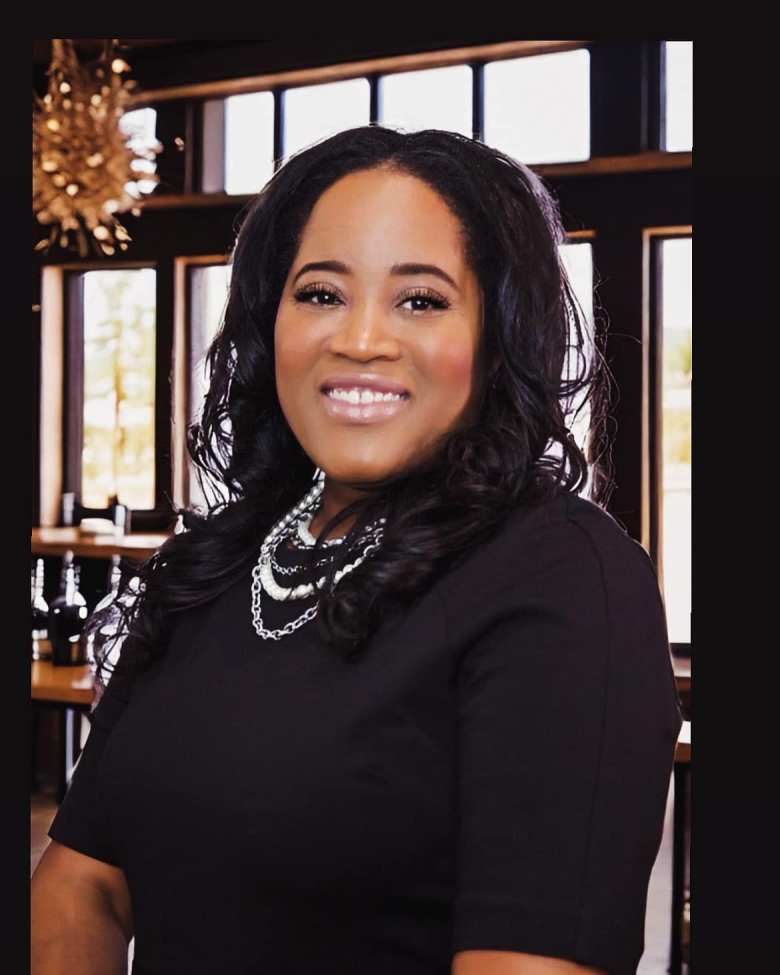
Photo Credit: Photo courtesy of Facebook (meta)/Noir Sunshine Wines
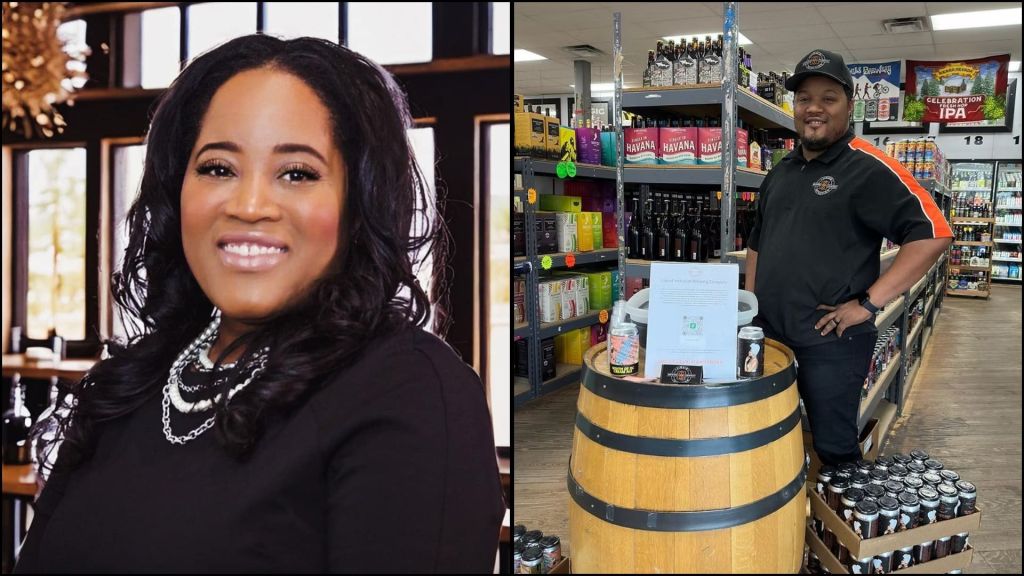
“Noir Sunshine Winery is changing the landscape of what the wine industry looks like—especially here in Maryland,” said founder Sharmaine Taylor. “We’re a mobile, boutique winery that specializes in organic, natural wines and our approach is simple: local, sustainable and quality products.”
Noir Sunshine wines contain no residual sugar, serving as a culturally sensitive and healthy alternative to mass-produced wine products.
Taylor highlighted the lack of diversity in the wine industry.
“There are less than 1 percent of African-American winemakers in the United States,” said Taylor. “We’re helping, not only because we are bringing a fresh approach, but we’re getting away from the stuffiness of what a winery used to be – hay and a barn. We’re moving to a more mobile approach. want to be able to find us in major cities.”
Those locations include more accessible, urban environments such as Patterson Park in East Baltimore and the Pigtown area in Southwest Baltimore.
“Black-owned wineries don’t inherit 75 or 200 acres of land,” said Taylor. “In the bigger cities, commercial land is at a premium cost so that keeps us out. But we’ve been innovative and have found a way to bring our products to the mainstream by being mobile, pop-ups and embracing our community.”
LIBCo, which specializes in craft beer, is in a similar situation, though they are in the process of acquiring a brick-and-mortar location in Prince George’s County, Md.
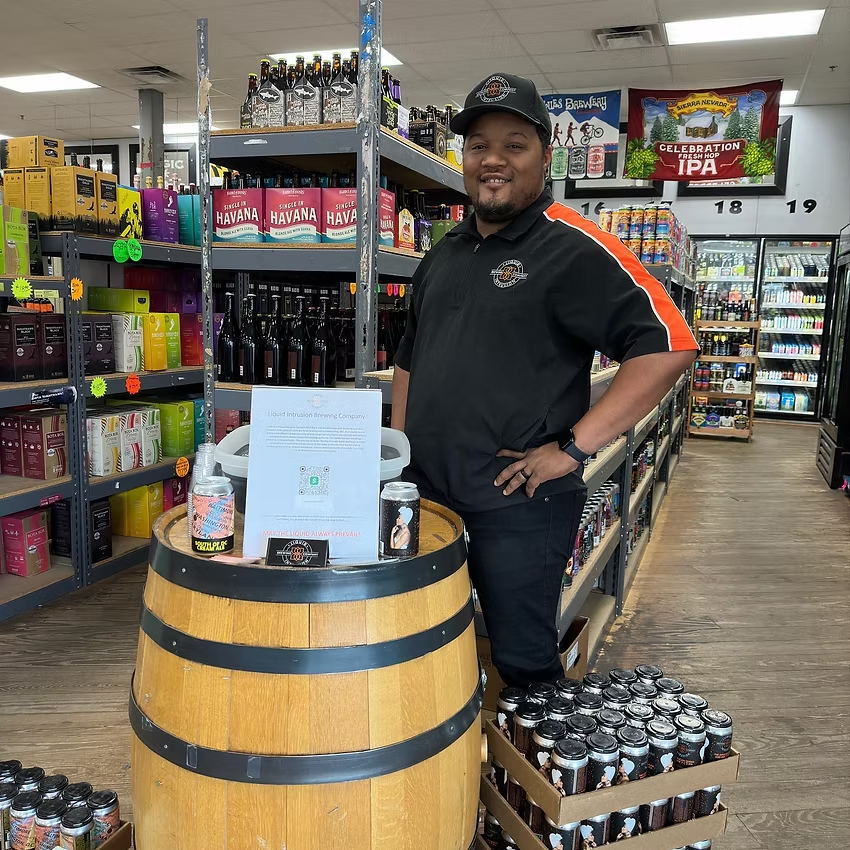
Photo Credit: Courtesy photo
“We have launched our capital raising campaign,” said Andrew Dill, co-owner and co-founder of LIBCo. “For those who are interested, they can access that information on our website at libcobeer.com on the main page.”
He said they want the space to be a welcoming location where Black-owned small businesses and vendors can set up shop, fostering an exchange between their community and LIBCo’s, and serving as an incubator.
Everything at LIBCo is infused with Black culture, and at their new location, they will focus on introducing African Americans to craft beer, while educating visitors about its African heritage.
“Our flagship IPA (India Pale Ale) is called ‘The African Queen and Her Seven C’s,’ which is a play on words,” said Dill. “It’s the name of the hop names we use. Hops are a major ingredient in beer that gives bitterness, aroma and flavor.”
Dill said just like grapes for wine, hops come from different regions and hemispheres. The “African Queen” is a hop they imported from South Africa. Dill noted that beer originated in Africa, brewed by African women.
“In our name, ‘Liquid Intrusion’ has a meaning,” said Dill. “We want to ‘intrude’ on a market that has historically underrepresented African Americans.”
According to a 2021 Brewers Association survey, White owners account for 93.5 percent of brewery ownership. Hispanic (2.2 percent) and Asian (2 percent) owners have greater representation than Black owners, who make up just 0.4 percent of the industry.
In confronting these disparities, Dill and his wife, Jasmine make sure their work is rooted in visibility and education.
“We are present in every consumer-facing event that we attend,” said Dill.
At these events, he said, they focus on sharing their mission and values, aiming to shift perceptions and educate consumers who look like them.
As both companies continue to make an impact in their respective industries, Taylor emphasized the importance of inclusion in every business.
“Different cultures have their own traditions around food, drinks and spirits,” said Taylor. “When we bring those into the wine conversation it creates a more vibrant and innovative industry. Inclusivity allows people from all backgrounds to see themselves in wine culture, not just as consumers, but we’re here as experts, creators and leaders.”
The post Diversity on tap: How Maryland wine and beer makers are shifting the industry appeared first on AFRO American Newspapers.