SPEAKIN’ OUT NEWS
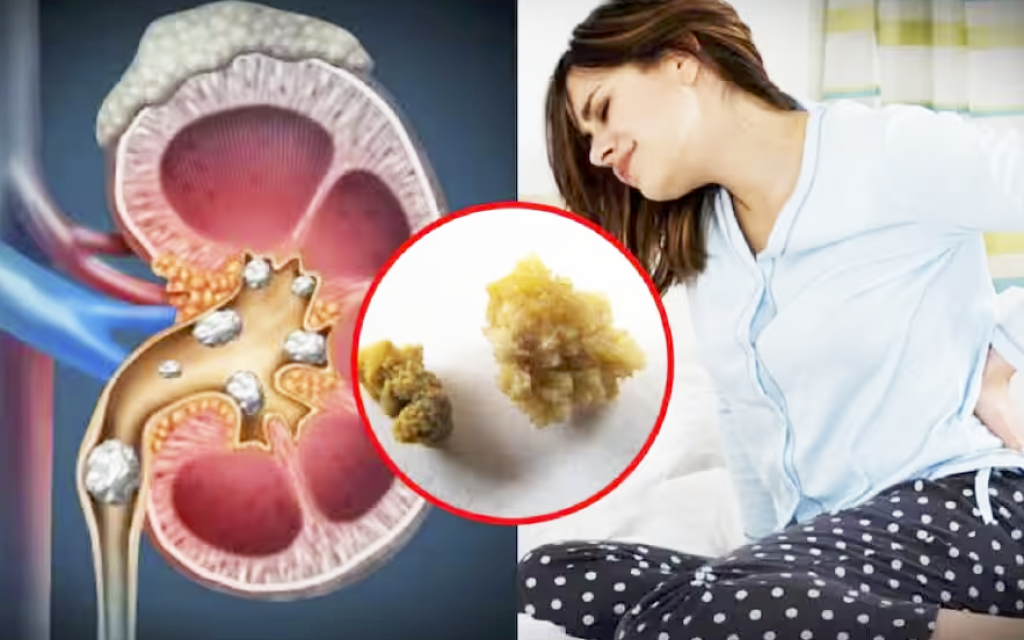
Researchers estimate that 1 in 10 people will develop kidney stones during their lifetime. These stone-like masses form in one or both kidneys when substances such as calcium, oxalate, or uric acid become too concentrated in the urine and crystallize rather than dissolve.
Symptoms can include intense pain in the back, side, or abdomen, nausea, vomiting, fever, chills, and blood in the urine that may appear pink, red, or brown. Painful urination is common—and if left untreated, kidney stones can lead to recurring infections or even kidney damage.
Doctors typically diagnose kidney stones through blood and urine tests, imaging scans, and analysis of passed stones. Treatment may involve medication, antibiotics, or surgical removal, depending on severity.
Prevention is key. The most important step is staying hydrated. Drinking plenty of water helps dilute urine and prevents crystals from forming. How much water you need depends on factors like climate, activity level, body weight, and overall health—but most people don’t drink enough.
Diet also plays a major role. Reducing sodium, animal protein, and high-oxalate foods can lower risk. For those prone to stones, low-oxalate alternatives include broccoli, berries, beans, nuts, and seeds like pumpkin or sunflower.
That brings us to the popular question: Does cranberry juice help? While cranberry products are often recommended for UTIs, research on kidney stones is mixed. According to studies cited by the National Library of Medicine, cranberry juice and supplements—high in oxalates—may actually increase the risk of calcium oxalate kidney stones in people with a history of recurrence.
Cranberry products may also interact with medications such as blood thinners, increasing bleeding risk.
The bottom line: cranberry juice is not a guaranteed solution—and for some, it may make things worse. Before adding supplements or making major dietary changes, consult your doctor, especially if you’ve had kidney stones before.
When it comes to kidney health, informed choices—not old wives’ tales—make the difference.