SPEAKIN’ OUT NEWS
MONTGOMERY, Ala. — A proposed voting bill aimed at expanding ballot access in Alabama is gaining renewed attention as it moves forward in the state legislature, sparking strong reactions from both supporters and opponents across the state.
The Alabama House Judiciary Committee recently approved House Bill 486, a measure that would introduce sweeping changes to how residents vote. The bill includes provisions for early voting, no-excuse absentee voting, and the automatic restoration of voting rights for individuals with past felony convictions who have completed their sentences.
Supporters say the legislation is long overdue in a state often ranked among the most restrictive when it comes to voting access.
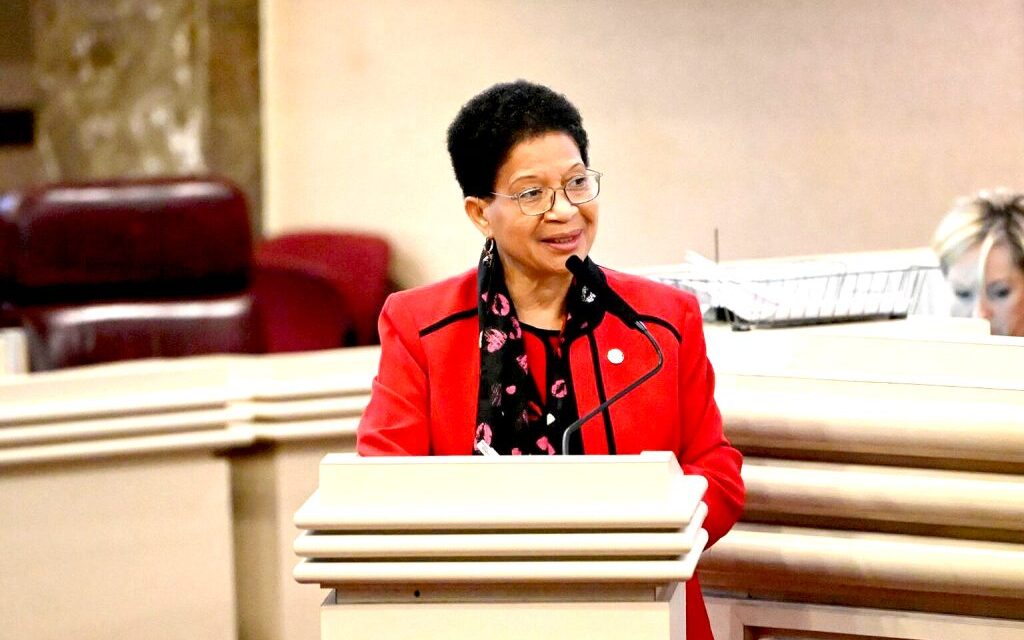
“This bill would modernize Alabama elections by expanding ballot access, strengthening voter protections, and improving election administration,” said Rep. Adline Clarke, D-Mobile, who sponsored the bill.
The proposal would also establish an Alabama Voting Rights Commission to review changes to election law and ensure they do not discriminate against protected groups. Additional provisions include creating a statewide voter database, assisting local election officials, and allowing voters to correct errors on absentee ballots up until Election Day.
Advocates argue the bill could help address long-standing participation gaps in the state. Alabama ranked in the bottom 10 states for voter turnout in the 2024 general election, with only about 59% of eligible voters casting ballots.
Alabama is also one of only three states in the nation — along with Mississippi and New Hampshire — that does not allow early voting, further fueling concerns among voting rights groups about accessibility.
The legislation would also reverse portions of a 2024 law that made assisting with absentee ballot applications a felony in certain cases. That law drew national attention and legal challenges, particularly around its impact on vulnerable populations.
A federal district court later ruled that parts of the law violated protections under the Voting Rights Act for blind and disabled voters, highlighting concerns about equitable access to the ballot.
“This is not at all about partisanship,” said Jerome Dees, policy director for the Southern Poverty Law Center. “This is about whether every eligible Alabamian has a fair and equal opportunity to participate in our democracy.”
However, opposition to the bill remains strong among Republican leadership.
Secretary of State Wes Allen has voiced concerns that expanding voting methods could create confusion and weaken election security.
“No-excuse absentee voting, mass mail ballots and early voting cause the confusion that we see in other states,” Allen said.
Allen also expressed opposition to automatic restoration of voting rights, arguing that current systems already provide a pathway for individuals to regain eligibility.
With only days left in the legislative session, the bill faces an uphill battle in the Republican-controlled Legislature and is widely considered unlikely to pass this year.
Still, the debate highlights a broader national conversation around voting rights, access and election security — and raises ongoing questions about how Alabama balances participation with policy.
Sources:
• Alabama Reflector – Reporting by Ralph Chapoco on House Bill 486
• Alabama Legislature – HB 486 bill provisions
• Southern Poverty Law Center – Public testimony from Jerome Dees
• Office of Alabama Secretary of State – Statement from Wes Allen
• Federal court ruling on Alabama absentee voting law (Voting Rights Act protections)