
By Victoria Mejicanos
AFRO Staff Writer
vmejicanos@afro.com
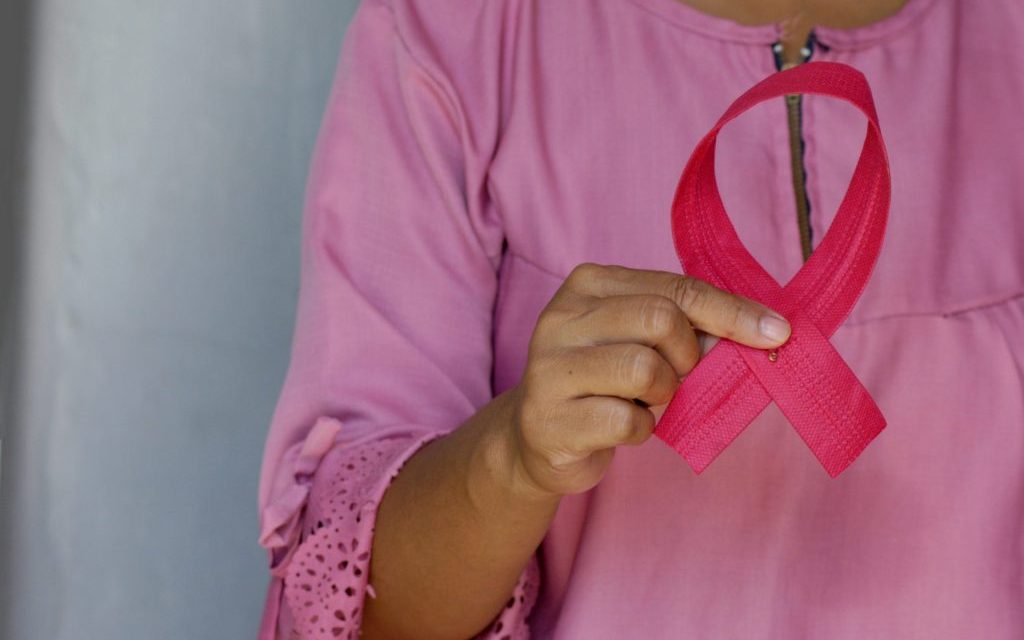
Every October, the world turns pink for breast cancer awareness month to encourage screening, educate about risk factors and symptoms and show support to those affected by the disease. For some, it is a symbol of hope and encouragement, and for others it is a reminder of how their lives have changed forever.
The AFRO spoke with advocates and health professionals to discuss how Black women can better be supported in their journey fighting breast cancer.
According to the Breast Cancer Research Foundation, “there is a persistent mortality gap between Black women and White women” when it comes to breast cancer.
Black women are also more likely to experience more aggressive forms of cancer such as triple negative breast cancer, according to Dr. Otis Brawley at Johns Hopkins University.
For Brawley, the disparities tie into quality of care.

“The death rate for Black women from breast cancer is highly variable around the country,” said Brawley. He explained that depending on where a breast cancer patient lives, it can impact the quality of care they are able to obtain, especially if they are poor.
“Poor people end up in systems where they tend to get less than optimal care,” said Brawley. He mentioned several instances where his patients missed chemotherapy appointments because of lack of transportation, childcare and other outstanding costs.
“The fact that it costs $15 a day to park in the patient parking lot, actually is a huge hindrance,” said Brawley. “They have insurance that will pay for a $15,000 dose of chemotherapy, but they can’t get it because they can’t afford to pay $15 to park in the parking lot.”

He points to how policy has a role in helping people obtain high quality health care. He explained Massachusetts has a lower death rate than other places in the country, and he pointed to his belief in policies like Romneycare, which was established by Mitt Romney in the late 1990s in the area. Romneycare became the inspiration for the Affordable Care Act, which has helped 45 million Americans.
“It’s absolutely amazing. If you give people high quality health care, they start not dying. It’s that simple,” said Brawley.
His belief that policy can impact how many women live or die from breast cancer is echoed in the experiences of women like Ronda Brunson, a breast cancer survivor turned advocate.
Brunson was diagnosed after her first mammogram when she turned 40. She had no family history of breast cancer and no health insurance at the time of her diagnosis, paying for treatment out of pocket.
With her organization Tata Tuesdays, Brunson connects women with similar diagnoses to each other so that they can learn about treatment options as well as educate and advocate for each other. She and other advocates in her organization have undergone training and go with women to their doctors appointments as needed.
Her work came out of seeing how different women with the same type of cancer were being treated, in the same state and sometimes even in the same hospital. “We can’t have a uniform outcome if your doctor is sabotaging your results,” said Brunson. “Because without that level of communication, we probably will die.”
Brunson also challenges what she calls “pink and pretty” culture when it comes to breast cancer awareness campaigns. She said that often, the funds generated from those campaigns don’t reach women in need, or create tangible change for those facing cancer.
“I don’t want to discredit research. Research is important,” said Brunson. “[But] you want to know where your money is going as it relates to research and how it works…not get caught up in the pink.”
Brunson said when she uses pink, it’s used as a tool for recruitment in her organization.
“Let’s create some real change,” she said. “Let’s collect real money that can help real women.”
This year Brunson hosted her very first walk on Oct 4. at Lake Montebello Elementary School in Baltimore. The event will include music, vendors, prayer tents, a memorial garden and more.
“What I want people to do is move,” said Brunson. “I want them to feel activated. I want to help them unlearn everything they thought they knew in the first place, as it relates to breast cancer. I want people to leave changed.”
The post Advocates, experts push for quality care to address breast cancer disparities appeared first on AFRO American Newspapers.